
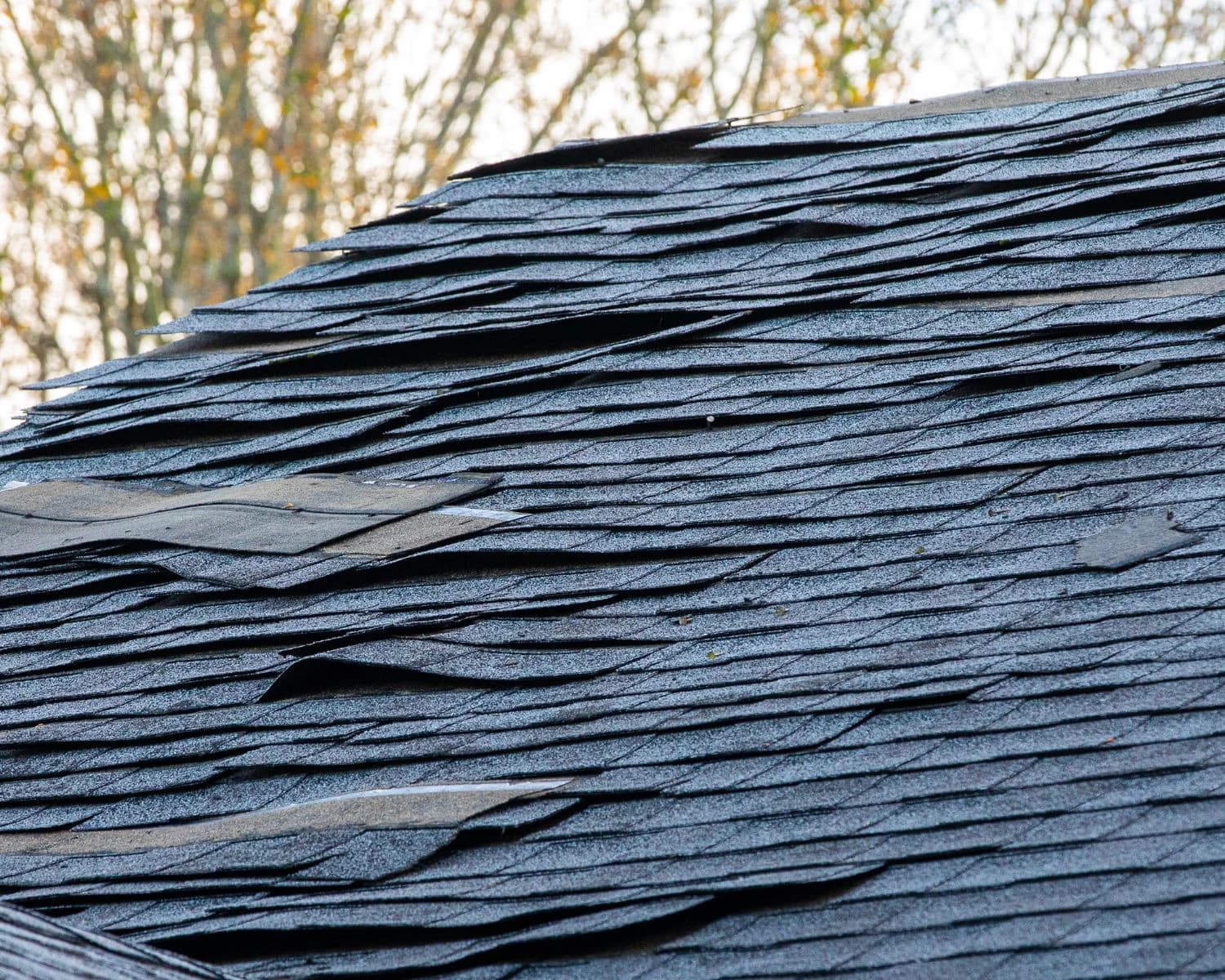
The center of the United States, often referred to as the Great Plains, is no stranger to severe weather. In fact, Tornado Alley, which includes northern Texas , Oklahoma , Kansas , Missouri , parts of Louisiana , Nebraska , Iowa , and eastern Colorado , according to AccuWeather, carves a path straight through the center of the continental U.S. But why is this specific region so prone to tornadoes, severe thunderstorms, and more? What is the science behind it? And are certain seasons more vulnerable than others?
What States are Part of the Great Plains?
As North Dakota State University indicates, the Great Plains region of America includes the following states . Keep in mind, while the Great Plains include the states mentioned below, the exact geography differs, remaining a subject of debate.
- Colorado
- Iowa
- Kansas
- Minnesota
- Montana
- Nebraska
- New Mexico
- North Dakota
- Oklahoma
- South Dakota
- Texas
- Wyoming
What is the Difference Between the Great Plains and the Central Plains?
You might have heard the term “Great Plains” instead of “Central Plains,” and wondered if they mean the same thing, or refer to different parts of the United States. It turns out the Central Plains differ from the Great Plains when it comes to weather and geographical features , according to Brainly.
In fact, the Great Plains are generally more arid and flatter than the Central Plains, including an abundance of grassland. Conversely, the Central Plains are generally hillier and more humid. This region also tends to include lots of forests, vegetation, fields, and farms.
While there are certainly many differences between the Great Plains and Central Plains, they are both highly important to U.S. agriculture and energy, and play a major role in the oil and natural gas industries.
Why Do the Great Plains Experience So Much Severe Weather?
Weather in the Great Plains does seem to be volatile. But does it really get more tornadoes than other areas of the United States? As stated by the University of Nebraska-Lincoln’s Encyclopedia of the Great Plains , this is not just a myth, but true.
As Colorado State University notes, the Great Plains region experiences such variable weather because of several factors , including:
- Geography. In other words, the further west you travel, the higher the elevation, eventually leading to the Rocky Mountains. This steep incline in elevation helps contribute to severe storms and tornadoes, as low-pressure systems are “stretched” when traveling west to east into the Great Plains, turning into potentially violent cyclones.
- Fluctuating temperatures. East of the Rockies, there is a “south-to-north gradient” in temperature, meaning warm weather in the south and cold weather in the north. When tornadoes come through from the west, they cause the region to drop in temperature, contributing to storm intensification.
- Complex terrain. Like the subtle but steady increase in elevation when traveling east to west, the Great Plains include a variety of topography and terrain, from ridges and rivers to valleys and grasslands. This wide range of landscapes helps contribute to the region’s variable and intense weather.
Great Plains Weather: Special Considerations
Residents and business owners in the Great Plains region should make sure they are prepared for severe weather year-round. While spring is the most volatile weather season as indicated by The Weather Channel, Mother Nature can still strike at any time. From tornadoes to wildfires, and blizzards to floods, review our companion articles for more information on how to prepare for severe weather in the Great Plains and beyond, along with the rest of our storm damage library of resources :