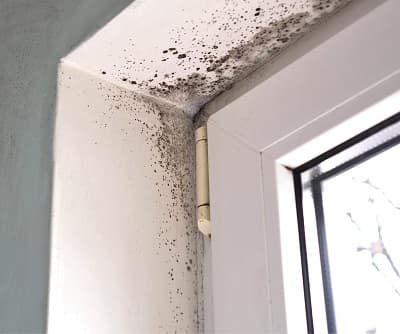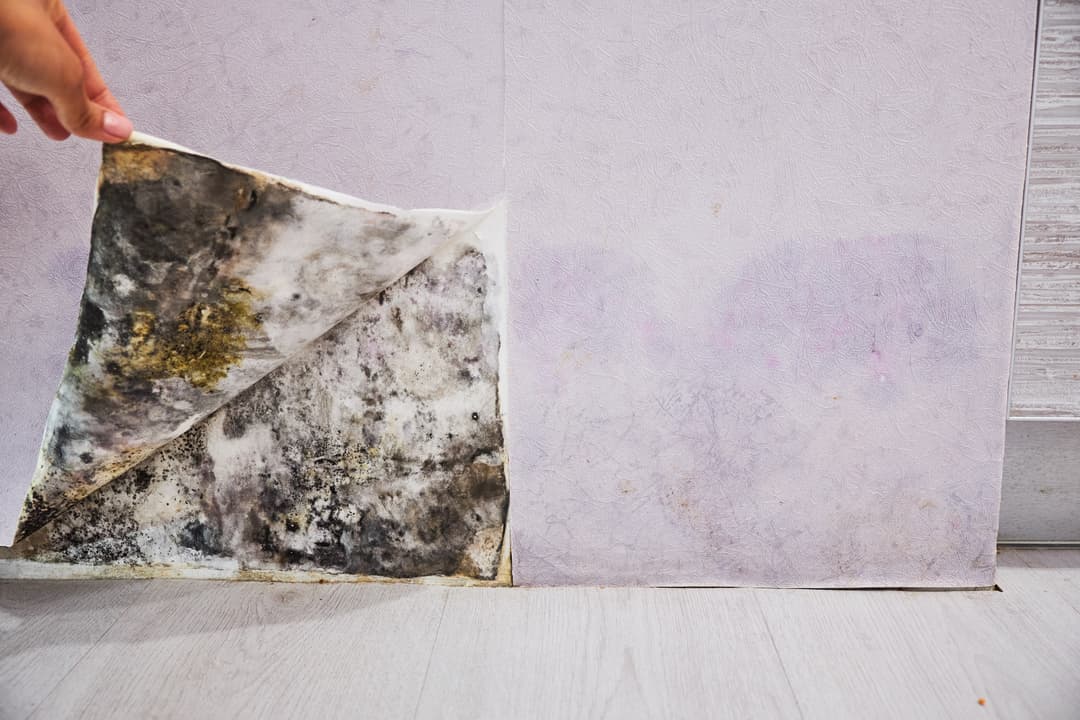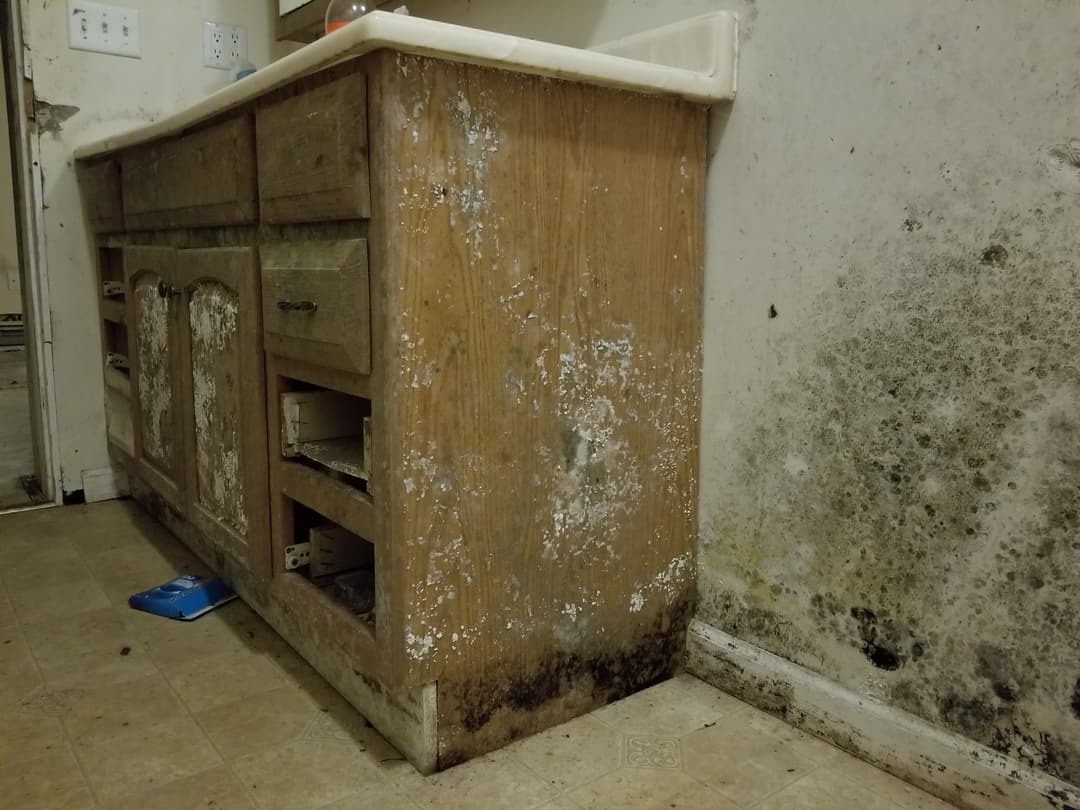
HTX ELITE BUILD · HOUSTON & KINGWOOD
Mold Removal and Remediation
A musty room, a leaking wall or visible growth needs a plan that addresses both the mold and the moisture. Start with a clear understanding of the affected area, then coordinate cleanup and repairs for your home or business.
24/7 Emergency Service
Request help with mold damage →
The Mold Remediation Process
Mold can grow on damp wood, paper, carpet and other materials. Growth may develop quickly after water intrusion, including in concealed spaces. Finding the leak and drying water-damaged materials promptly helps prevent a larger problem. Remediation combines assessment, controlled cleanup, moisture correction and appropriate repairs; it is more than wiping away a visible stain.
What is mold?
Molds are fungi that occur naturally indoors and outdoors. Moisture allows growth on suitable materials. The goal is to correct abnormal indoor growth and the conditions supporting it, rather than promise the complete removal of every mold spore.
EPA: mold, moisture and your homeWhat is black mold?
Dark patches do not establish the mold species. Avoid relying on color, odor or an online photograph to judge a health risk. A qualified assessment can identify the extent of the moisture problem and whether sampling would help answer a specific question.
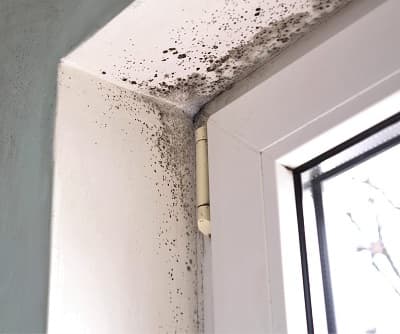
Mold Remediation and Removal for Business
Occupied workplaces need careful planning. Identify the affected rooms, tenant or customer routes, sensitive equipment and operating hours before setting a work schedule. Discuss containment, access and any temporary relocation with the people responsible for the building.
HTX Elite Build can help coordinate the cleanup and repair scope with your business needs. Reopening decisions depend on completed work and any required verification.
Explore commercial mold services →Why choose HTX Elite Build?
A clear point of contact
Discuss the moisture concern, affected materials and next steps with one project contact.
24/7 emergency contact
Call when a new leak or urgent property problem needs attention. Site attendance is confirmed separately.
Cleanup through repairs
Plan how controlled cleanup connects with the construction needed to restore the space.
Project documentation
Discuss photographs, scope details and records your property manager or insurer needs.
Our history as Bailey Roofing & Construction
HTX Elite Build is the next chapter of Bailey Roofing & Construction. Read customer experiences published under the previous name. These historical roofing and construction reviews describe those projects.
“Friendly and professional.”
Darlene Middleton · historical Bailey roofing review
“Professional and trusted”
Juan Valles · historical Bailey roofing review
What to do about mold until help arrives
What to do
- Keep people and pets away from affected materials and limit access to the room.
- If it is safe, stop the water source. Do not enter flooded areas with electrical hazards.
- If HVAC contamination is suspected, avoid operating the system until it is evaluated.
- Document visible damage from a safe location and share the moisture history.
What not to do
- Do not scrape, brush or disturb visible growth.
- Do not direct fans across mold or circulate air from the affected space.
- Do not paint or caulk over mold to hide it.
- Do not assume bleach or a household spray resolves growth inside porous materials.
What is the mold remediation process?
Every property needs its own scope. These stages explain how a typical project progresses.
- 01
Emergency contact
Tell us where you see growth or smell an odor, when the moisture problem began, and whether water is still entering. We will discuss access and the next appropriate step.
- 02
Inspection and assessment
The affected materials and possible water sources need to be evaluated. Where regulated assessment, sampling or a remediation protocol is required, a properly licensed independent assessor must be involved.
- 03
Mold containment
A project-specific containment plan separates affected work areas from occupied spaces. Access restrictions and pressure controls depend on the conditions and approved scope.
- 04
Air filtration
Appropriate filtration helps capture airborne particles during the work. Equipment placement and operation should support containment rather than spread material into clean rooms.
- 05
Removal of affected materials
Porous materials that cannot be effectively cleaned may need controlled removal and disposal. The scope identifies what can be cleaned and what needs replacement.
- 06
Cleaning and moisture control
Remaining surfaces and salvageable contents are cleaned using methods suited to the material. The water source must be addressed and moisture levels reviewed before closing affected assemblies.
- 07
Verification and restoration
Complete any required independent clearance before rebuilding. Repairs can include drywall, paint, flooring or cabinetry, with the reconstruction scope agreed separately.
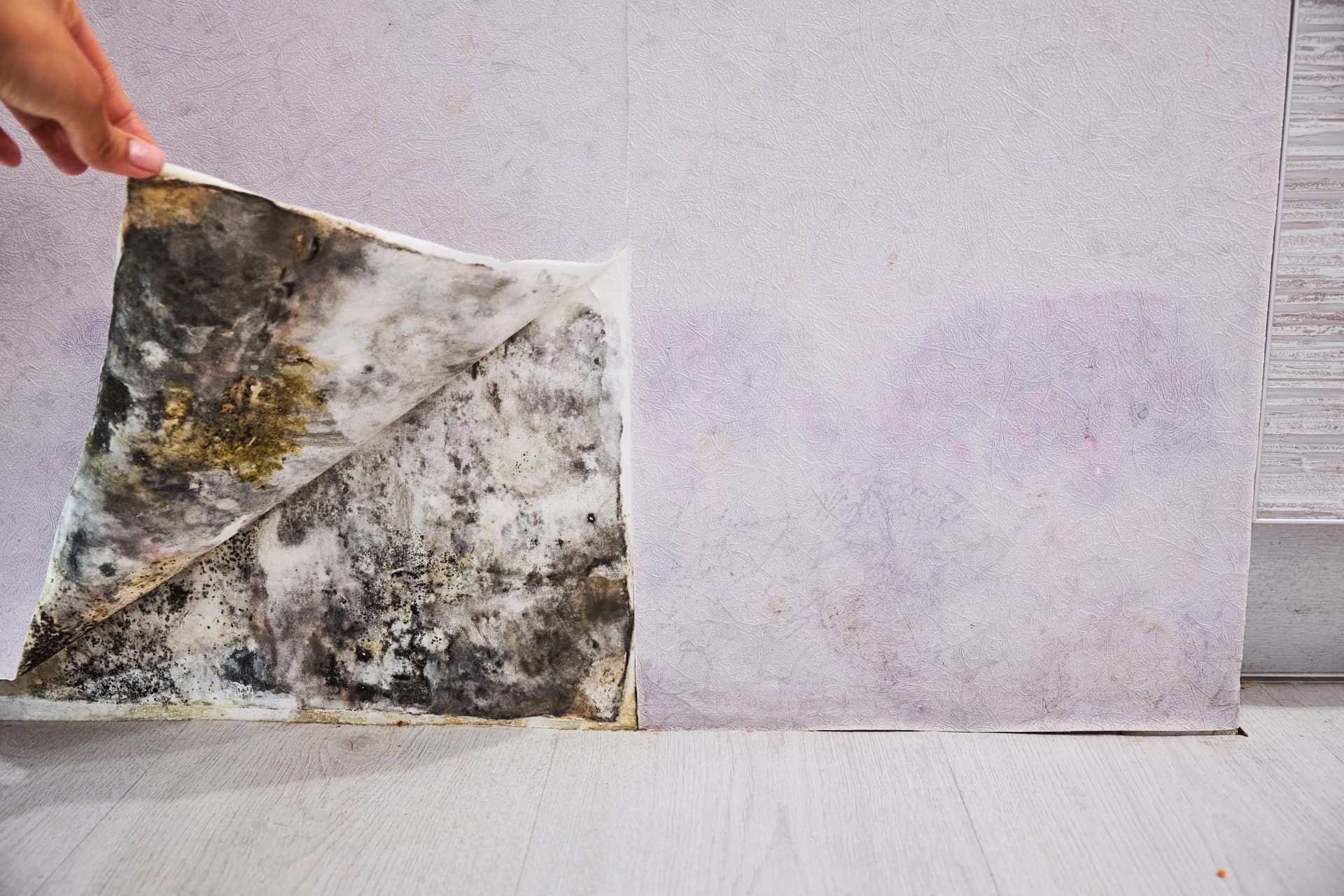
Mold inspections and sampling
Visible growth and hidden moisture need appropriate evaluation. Testing is not a substitute for finding and correcting the source. When a regulated assessment or clearance is needed, coordinate it with an independent licensed assessor.
Texas mold assessment and remediation guidanceContents packout and storage
Some belongings may need to leave the work area. Discuss inventory, photographs, cleaning suitability, transport and storage arrangements before moving items. Salvageability and any off-site storage are determined for the project; confirm costs and return arrangements in the written scope.
Mold remediation questions
6 answers found
Do I really need mold remediation?
The extent of growth, the affected materials, the water source and the occupants’ needs all matter. Widespread, hidden, recurring or contaminated-water problems deserve professional evaluation. An independent licensed assessor may be required to establish the scope. A photograph alone cannot determine what work is needed.
Can I stay in my house during mold remediation?
That depends on the work area, containment, access routes, ventilation and individual health needs. Discuss occupancy before work starts. Ask a healthcare professional about personal health concerns; a contractor cannot promise that staying is safe for every occupant.
Can I clean up mold myself?
Some small surface problems may be manageable under EPA guidance, but do not disturb extensive or hidden growth, contaminated water or suspected HVAC contamination. The source of moisture must be corrected. Call for an assessment when the extent or appropriate method is unclear.
Does black mold mean a particular species?
No. Color alone does not identify a species or establish a health risk. Treat visible growth as a moisture problem that needs attention. Decisions about sampling and remediation should be based on the property and an appropriate assessment.
Can the same company test and clear its own remediation?
Texas separates regulated mold assessment from remediation to address conflicts of interest. Independent licensed assessment and clearance may be needed. The parties and required documents should be established before the project begins.
Will my insurance cover the mold damage?
Coverage depends on your policy, the cause of moisture and the insurer’s decision. Keep photographs and repair records, and ask your insurer about its documentation requirements. An inspection or estimate is not a coverage decision.