
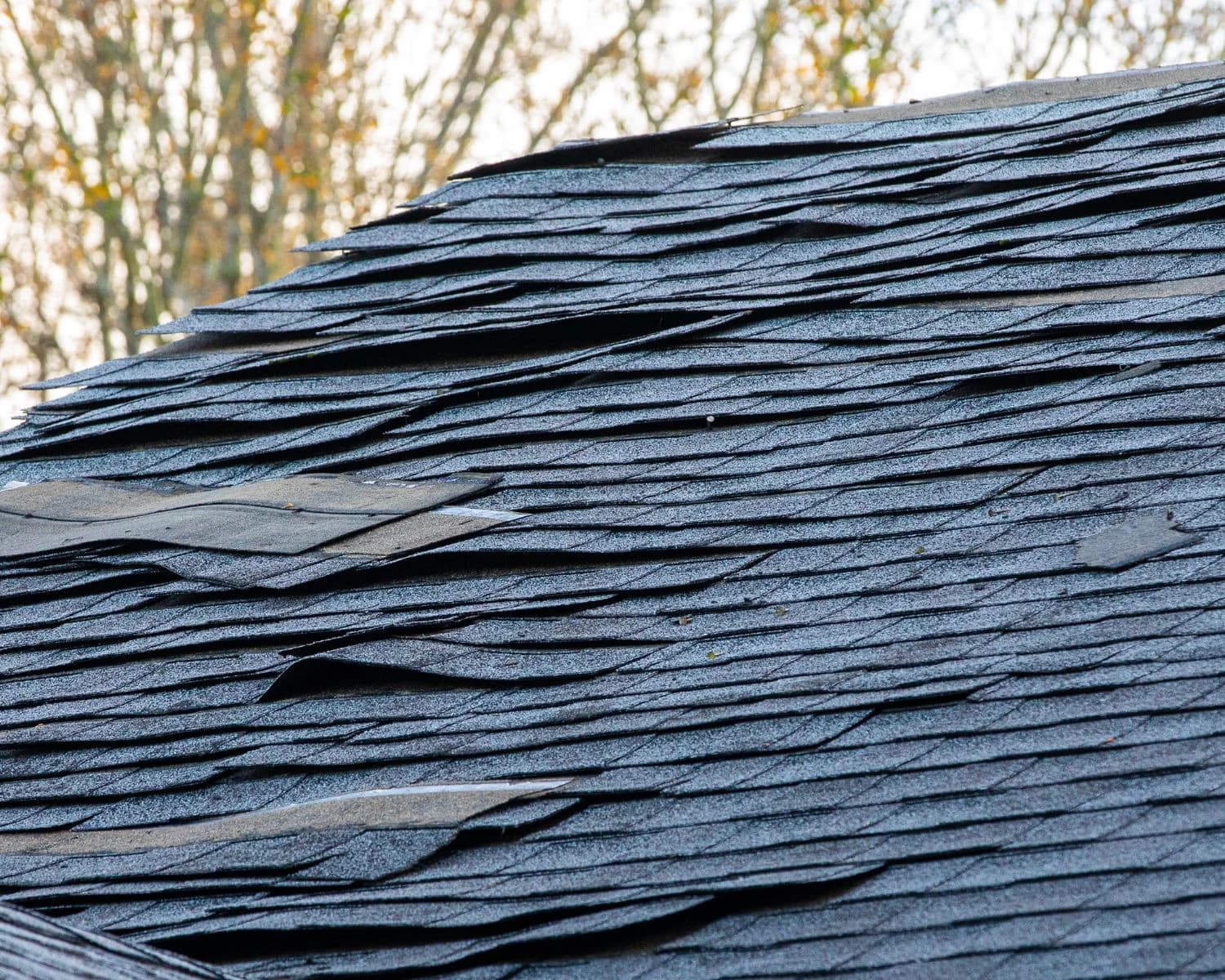
Hail - it’s a mark of strong thunderstorms and the one frozen precipitation that can occur in the middle of a summer heatwave. The National Weather Service reported that there were 4,436 hailstorms in 2022 alone – the majority of these events happening between May and September. We have compiled the most frequently asked questions to help you be more weather aware and better equipped should a hailstorm strike near you.
What is Hail?
Hail is a meteorological phenomenon characterized by the formation of ice pellets that fall from the sky during severe thunderstorms. These ice pellets, known as hailstones, are formed when updrafts in a thunderstorm carry raindrops into extremely cold regions of the cloud, where they freeze into ice. As the hailstones are repeatedly lifted and carried upward by strong wind currents within the storm, they accumulate layers of ice, creating larger and more complex structures. The hail falls when the thunderstorm's updraft can no longer support the weight of the hailstone, which can occur if the stone becomes large enough or the updraft weakens.
How Big can Hailstones Get?
Their eventual size depends on how long they can defeat gravity. According to the National Weather Service, upward wind speeds of 64 mph will support a hailstone as large as a golf ball, while a grapefruit-sized stone needs a 98-mph updraft. The largest hailstone on record was approximately 8 inches in diameter and weighed nearly 2 pounds!
The bigger these ice stones get, the harder they fall. Golf ball – Softball sized hail can reach speeds ranging from 44-72 miles per hour. The NWS has reported that larger stones can reach 100 miles per hour!
What Areas Experience the Most Hail?
Although Florida has the most thunderstorms, Nebraska, Colorado, and Wyoming usually have the most hailstorms. The area where these three states meet is often referred to as “ hail alley ” and averages seven to nine hail days per year. Jonathan Belles, digital meteorologist at Weather.com writes that hail is most likely from the Dakotas to Texas during the course of the year - this is the location where the strongest thunderstorms overlap with cold air aloft and fast winds in the jet stream.
Who Should I Call if my Property was Damaged in a Hailstorm?
For more information, visit our FAQ and Glossary .
Sources:
https://www.spc.noaa.gov/climo/online/monthly/2022_annual_summary.html
https://weather.com/safety/thunderstorms/news/2020-05-12-15-things-to-know-about-hail