
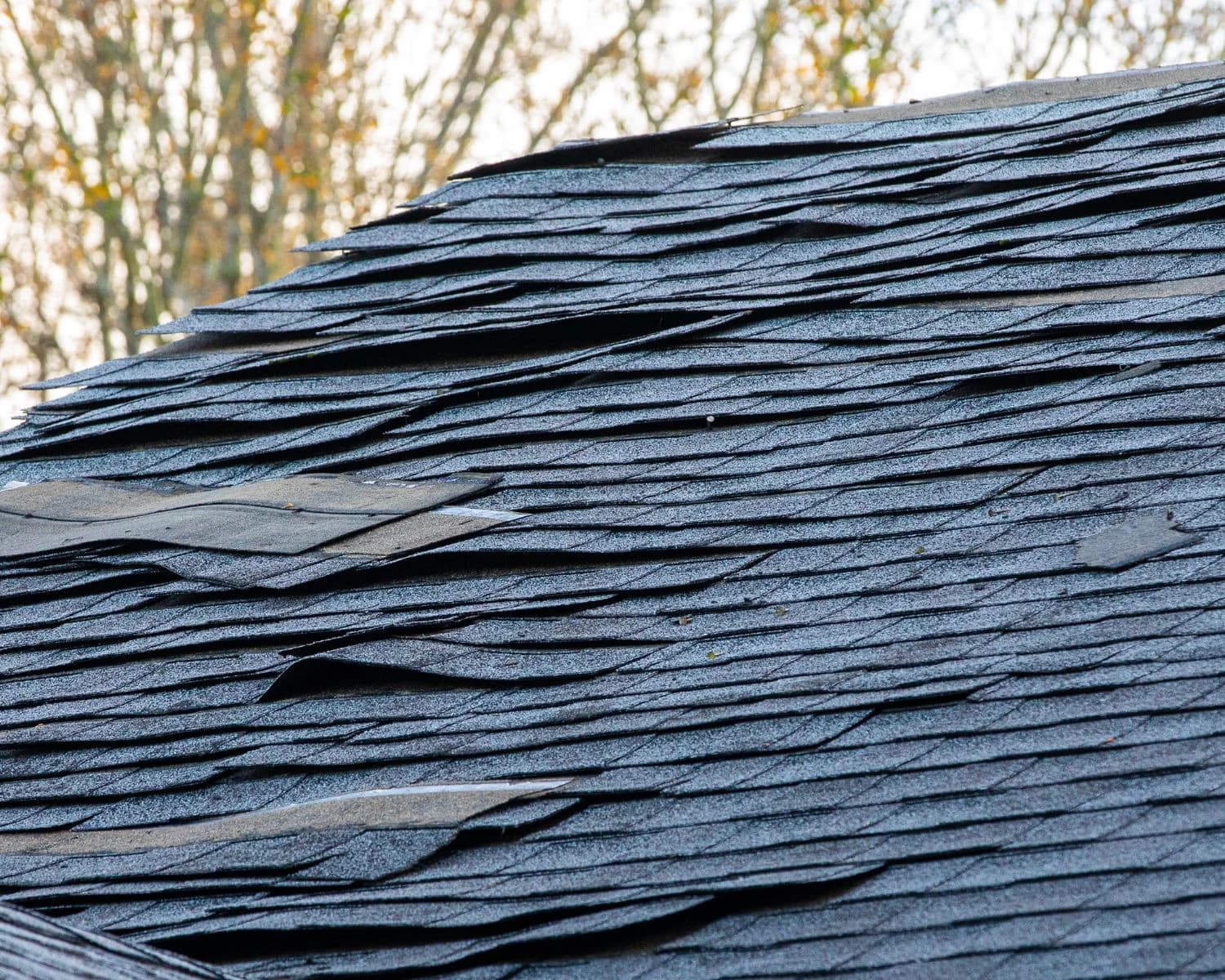
What is Hail?
According to the NOAA National Severe Storms Laboratory, hail is defined as “…a form of precipitation consisting of solid ice that forms inside thunderstorm updrafts.” In other words, when raindrops form in the freezing upper atmosphere during storms, they collide with liquid water droplets that freeze. Once they grow too heavy to stay in the air, they harden and fall to the ground in the form of hail.
Where Does Hail Commonly Fall?
You may be surprised to learn there is a “Hail Alley.” It is located where the states of Nebraska, Colorado, and Wyoming meet. But is there a common season when hail is more likely to fall?
Researchers at Weather.com note that the biggest hail is often associated with the Plains and Southeast regions of the United States from approximately February to July. However, the cooler season in the West Coast can still provide ample opportunity for hail to form, as severe thunderstorms tend to take advantage of this colder air.
Jonathan Belles, a digital meteorologist at Weather.com, states that hail is most common from the Dakotas to Texas during the entire year. That is because this stretch of land is where the most severe thunderstorms, cold air, and fast winds overlap.
Notably, researchers at the Insurance Information Institute indicate that the following states tend to receive the most hail damage : Texas, Colorado, Nebraska, Minnesota, and Kansas. However, this list fluctuates from year to year.
Hail Season: An Ongoing Debate
According to KECO Tabs, hail is most common during the spring season in the United States, specifically between April and September. This makes sense, given the high probability of thunderstorms during this period. However, determining a “hail season” is not an exact science; Weather.com indicates that hail can fall year-round .
For more information, please visit our FAQ and Glossary .
Sources:
https://www.iii.org/fact-statistic/facts-statistics-hail
https://www.kecotabs.com/blogs/chasing-hail/hail-seasons-across-the-globe
https://www.nssl.noaa.gov/education/svrwx101/hail/
https://www.weather.gov/abr/vivianhailstone
https://weather.com/safety/thunderstorms/news/2020-05-12-15-things-to-know-about-hail