
What is Lightning?
As NOAA’s National Severe Storms Laboratory states, lightning is defined as “a giant spark of electricity in the atmosphere between clouds, the air, or the ground.”
When lightning first develops, there are both positive and negative charges in the clouds, and positive and negative charges between the clouds and the ground. The air acts as an insulator. When opposite charges build to a sufficient level, this “insulation” breaks down, and there is a sudden discharge of electricity, known as lightning.
While lightning is often associated with thunderstorms, it can occur and has been observed in volcanic eruptions, hurricanes, and even snowstorms.
Can Lightning Damage Property?
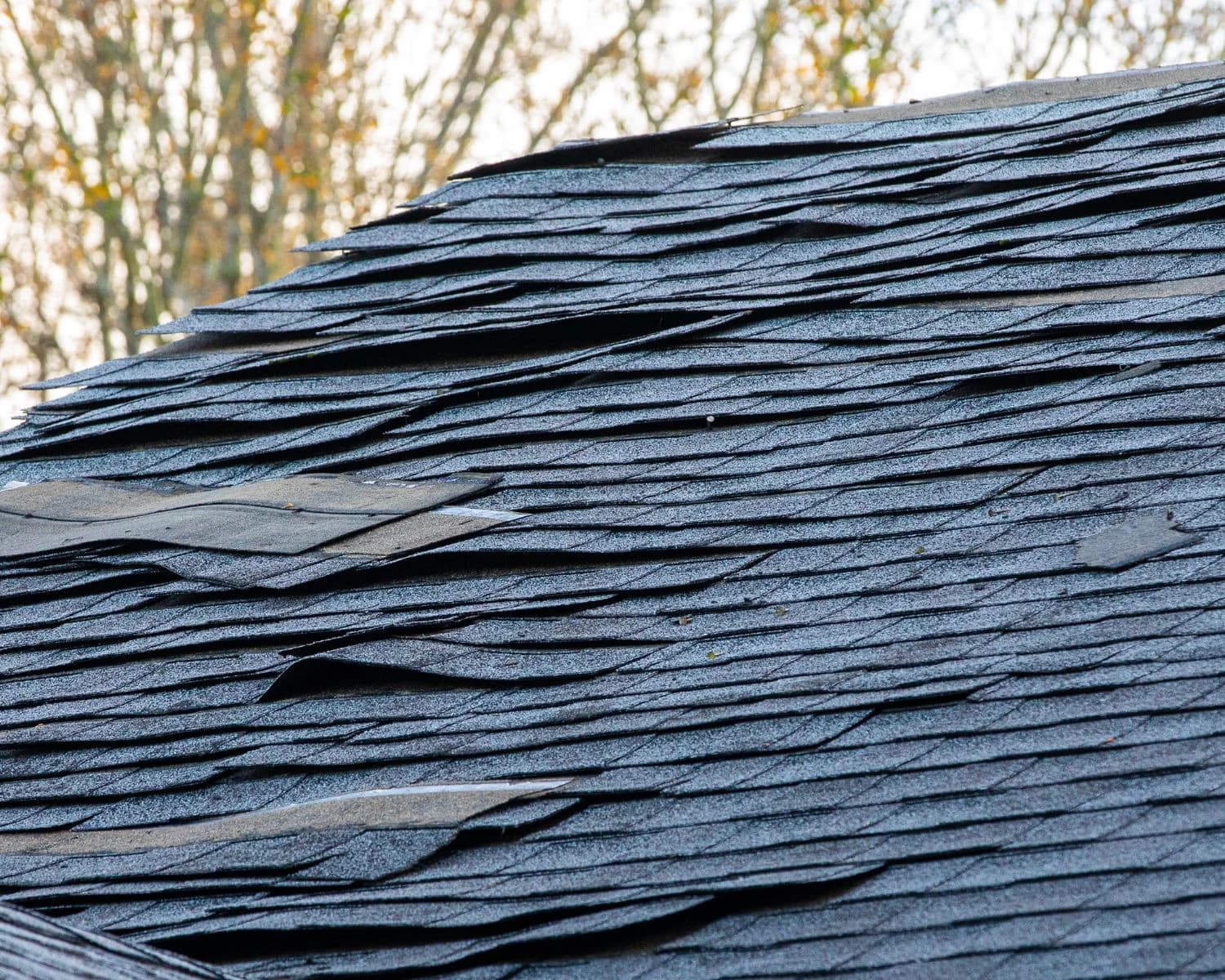
Not only can lightning damage property, but it can threaten your safety even when you’re inside. According to American Family Insurance, lightning strikes “can cause fires inside or outside your home, ruin expensive appliances and electronics, damage wiring in the walls, and potentially shock and injure you or someone in your household.” Additionally, lightning can down trees, damage fencing, roofs, and other outdoor possessions.
Mutual Assurance states that lightning can enter properties through underground streams and water pipes. Furthermore, concrete can conduct electricity (which is why you shouldn’t stand, sit, or place electronics or appliances on concrete during a storm).
Lightning can also damage your property through metal or aluminum windows. Additionally, wiring may ignite, especially if lighting is conducted through gutters, windows, or concrete. There is also a risk of shock waves. As Mutual Assurance notes, shock waves “can cause structural degradation and cracking in concrete, brick, cinderblock, and stone, depending on their intensity and proximity.” Brick and stone chimneys are especially vulnerable.
How to Protect Your Property from Lightning Damage
While not all-encompassing, Progressive Insurance, American Family Insurance, and Zurich American Insurance Company provide tips to minimize your home or commercial business from lightning damage :
- Unplug appliances. This may include TVs, computers, modems, cable lines, phone lines, and other equipment.
- Install whole-home surge protectors and have battery backup in case you lose power.
- Utilize point-of-use surge protectors for specific devices you want to protect.
- Verify smoke detectors are active and working.
- Have fire extinguishers on hand.
- Hire a professional to install a lightning protection system. This is also known as “grounding your house for lightning.” This might include the use of lightning rods , surge suppressors, and/or conductors.
- Consider installing a visual or audio signal in your business to alert customers and employees of imminent lightning and storms.
- Remove flammable items like propane tanks from the property (or at minimum, 100 feet away).
What is the “30 30” Rule for Lightning?
FEMA outlines the “30 30” rule for lightning and thunderstorm safety :
- If you are outside and see lightning, and you can’t count to 30 before hearing the next clap of thunder, go inside immediately. (If possible, you should be inside before the 30-second “timer” is up.)
- Stay inside 30 minutes after you hear the last clap of thunder.
Ultimately, when in doubt, it is safest to stay indoors during a thunderstorm. That is why it is so important to make sure you take preventative measures beforehand, so you are not caught outside when the storm arrives.