Mold Explained
Researchers at the CDC define mold as “a fungal growth that forms and spreads on various kinds of damp or decaying organic matter.” According to the CDC, some notable facts about mold include:
- It can survive indoors and outdoors.
- Indoors, mold is caused by excessive moisture.
- Outdoors, mold survives by feasting on decaying matter like fallen leaves.
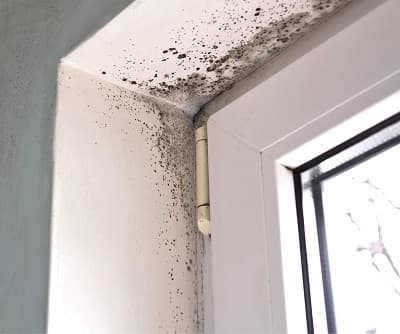
- Molds can appear in many different colors, though they are often associated with being black, dark gray, or dark green.
- The scientific name for black mold is “stachybotrus chartarum.”
- This mold produces toxins, and ongoing research continues to determine the health effects on humans and animals from this and other types of molds.
- Mold is everywhere, and exposure is unavoidable. However, there are ways to reduce the probability of growth in your home and business.
Time for Mold to Grow
So, just how long does it take for mold to grow? You may be surprised to learn that mold can take just 48-72 hours to grow . That’s why it is so important to maintain a living environment that does not encourage mold growth, by following the below tips and reviewing further information using the CDC’s mold resources .
How to Reduce the Chance for Mold Growth
The CDC offers the following tips to discourage mold growth in your home (this list is not all-encompassing; visit their website, and this helpful PDF , to learn more):
- Regularly clean bathrooms.
- Fix leaks in your roof, plumbing, and walls as soon as they appear.
- Maintain low humidity levels (no more than 50%).
- Consider using an air conditioner or dehumidifier, and routinely use a meter to check levels, as humidity can fluctuate throughout the day.
- Use exhaust fans to help ensure the air in your property flows freely and away from your house; this is especially important in kitchens and bathrooms.
- Mold containment , where various containment procedures are used to prevent the spread of mold. This may involve use of a negative air chamber to isolate the contaminated area with physical barriers and negative air pressure. This helps keep mold spores from spreading while cleanup takes place.
- Air filtration , where powerful air scrubbers and HEPA vacuums are used to prevent the spread of mold spores by capturing them out of the air; this takes place while remediation occurs.
- Removing mold and mold-infested materials , where items like drywall and carpeting may be removed from the premises to remediate heavy growth. Keep in mind, much of this process depends on the amount of growth, and which surfaces the mold has appeared on.
- Restoration , where removal of drywall, subfloor, or other materials may be required depending on the level of damage. Remember, services such as construction and installation of new carpet are always available, to help ensure your property is returned to pre-loss condition.
For more information, visit our FAQ and Glossary .
Sources:
https://www.cdc.gov/mold/control_mold.htm
https://www.cdc.gov/mold/faqs.htm
https://www.cdc.gov/niosh/topics/indoorenv/whatismold.html
https://www.epa.gov/sites/default/files/2016-10/documents/moldguide12.pdf
Follow product labels and material-specific cleaning instructions; never mix cleaning chemicals. For mold, first address the moisture source. Avoid disturbing extensive or hidden growth and ask a qualified professional to assess the affected area. The EPA mold cleanup guide explains cleanup considerations and when professional help is appropriate.