
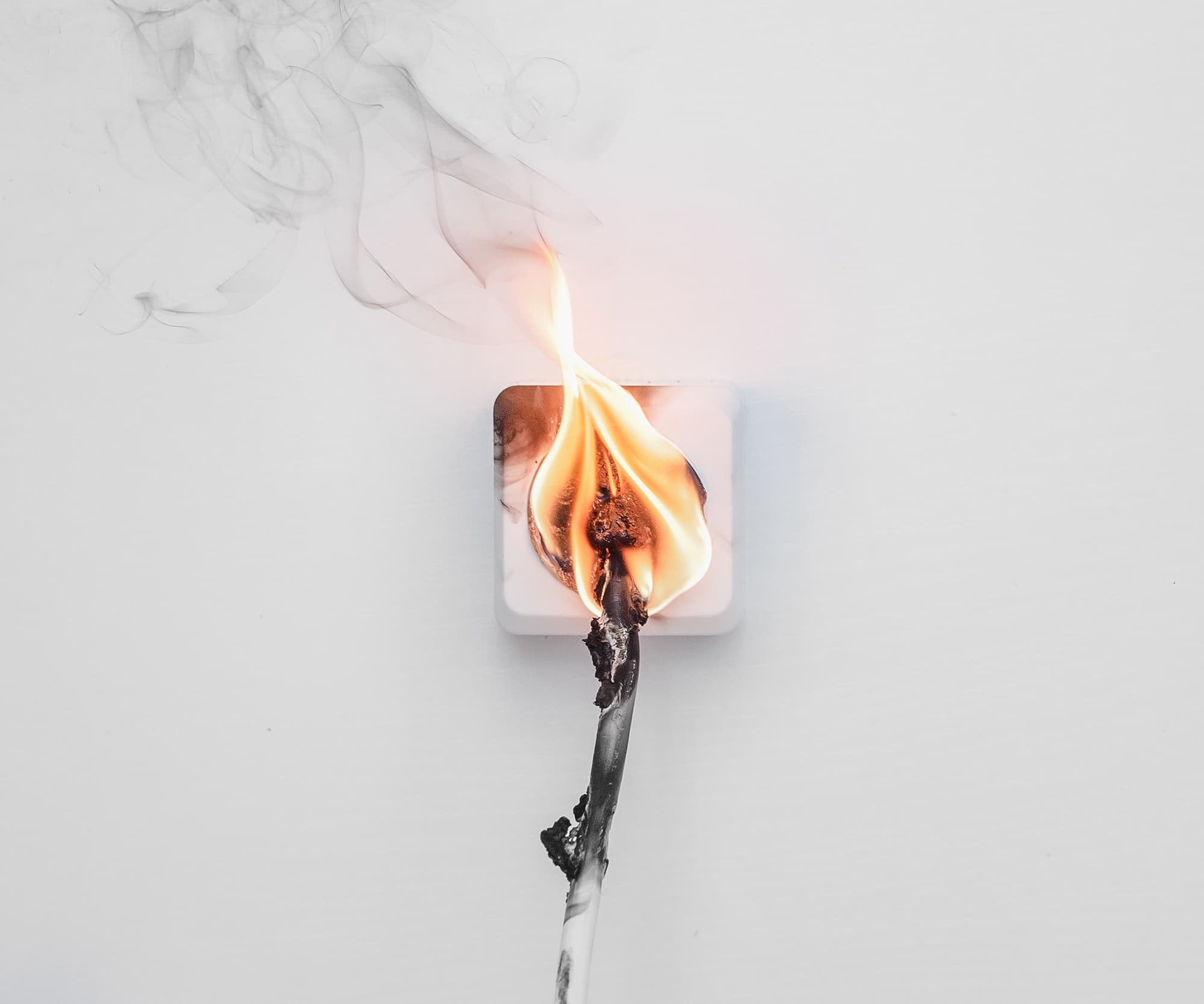
Whether a fire is big or small, you’ll likely have to deal with soot damage in the aftermath. Soot may seem like an insignificant hazard in comparison, but if left alone, it can become a significant health hazard. Don’t get your cleaning supplies out just yet. Without the help of professionals, your soot cleanup may cause even more damage. Here’s what you need to know about soot removal and how to work with professionals after a fire.
How to Recognize Soot Damage
Soot damage from smoke is most easily identified in high-visibility areas such as your walls. However, it can also hide in ventilation systems undetected for days, which is why it’s critical to perform a thorough inspection of your property after a fire. You never know where smoke damage could be hiding! Common signs of soot include:
- Black streaks or smudges
- Black dust
- Unpleasant odors
Soot can feel slightly greasy and can stain surfaces if agitated in many cases. This is another reason it’s better to engage professionals for your soot cleaning—you never know how bad a simple smudge might become.
The Soot Removal Process
Step One: Fire Damage Inspection
After emergency services have been contacted and deem the property safe for entry, it’s time for our team to get to work. A comprehensive fire inspection allows our team to identify any fire, smoke, and soot damage in your space. This assessment then guides our plan of action for the following days.
Step Two: General Cleanup
After an inspection is complete, our team will likely proceed with the following initiatives before addressing the soot cleanup:
- Immediate boarding and tarp services
- General cleanup
- Water removal and drying
Once these fundamental cleaning tasks are complete, our team can transition to soot damage cleanup.
Step Three: Soot Cleanup
- Dry smoke:
- Wet smoke:
- Protein residue:
- Petroleum residue:
Step Four: Odor Removal
- Source removal
- Clean
- Deodorize
In extreme cases, exposed surfaces may be sealed to prevent further unpleasant odors. This is also an appropriate solution if a full-removal process is impractical or beyond a client’s budget. We will determine if a cleanup requires sealing during the inspection portion of the process.
Call Now for Soot Removal Services
Source: Science Direct: https://www.sciencedirect.com/topics/chemistry/soot