
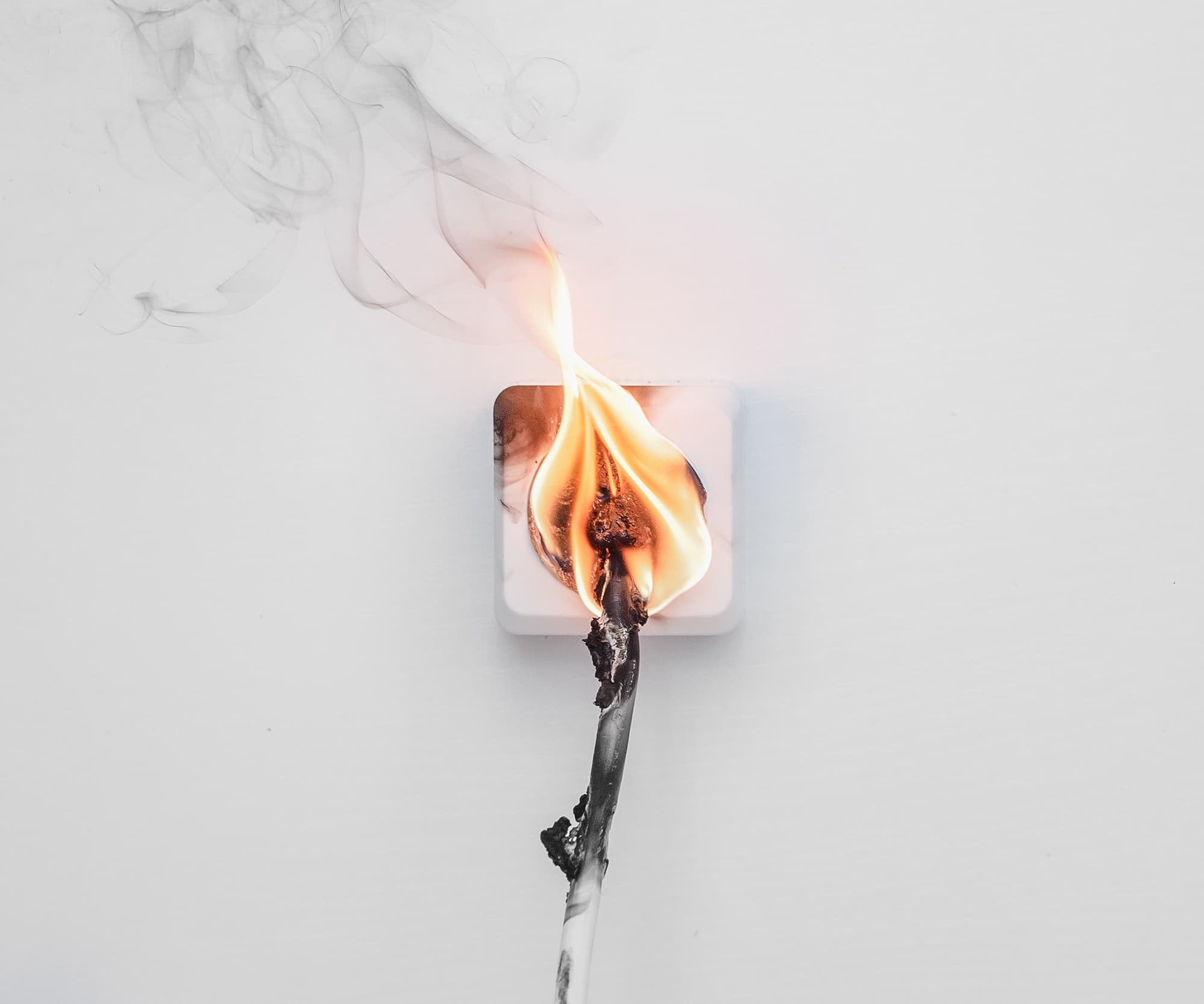
Fires are usually unexpected , and can be devastating to your home or business. Having a safety plan in place is an important step toward increasing the chances of survival for your family and employees.
A key component to any fire safety plan is a smoke detector. These small yet critical devices play a vital role in safeguarding lives and property. Smoke detectors are designed to detect the presence of smoke in the air and emit a loud alarm, alerting occupants to the potential danger of a fire. By providing early warning, these safety tools significantly increase survival rates. Throughout this article, we will discuss how properly installing smoke detectors can help With early fire detection , protecting your property and even preventing fires.
Early Fire Detection
One of the primary reasons for installing smoke detectors is their ability to detect fires in their early stages. Smoke detectors are designed to sense even the smallest traces of smoke, triggering an immediate alarm. Fires can spread rapidly, filling a building with toxic smoke and intense heat within minutes. According to the National Fire Protection Association , you may have as little as 1-2 minutes to escape safely once the smoke alarm sounds.
Early detection enables occupants to initiate evacuation procedures promptly, contact emergency services, and take necessary measures to minimize the damage caused by the fire. The American Red Cross lists the number 1 way to prepare for a home fire as installing and maintaining smoke detectors.
Protecting Property
In addition to safeguarding lives, smoke detectors also play a vital role in protecting property. Fires can cause extensive damage to buildings, possessions, and valuable assets. By detecting fires early, smoke detectors facilitate a prompt response, allowing firefighters to arrive quickly and contain the fire before it spreads and intensifies. This early intervention can help minimize property damage, reduce repair costs, and speed up restoring affected areas.
- Structural Cleaning and Damaged Material Removal. Non-salvageable surfaces and materials will be carefully removed and disposed. Smoke residues will be removed from salvageable walls, ceilings, and structural components of the property.
- Contents Cleaning. Your personal property will receive personalized focus, with cleaning taking place right there or off-site, depending on the situation.
Fire Prevention
Smoke detectors not only detect active fires but also serve as an essential tool in fire prevention. Many modern smoke detectors are equipped with advanced features such as heat detection and carbon monoxide monitoring . These capabilities enable them to identify potential fire hazards before they escalate into full-fledged fires. By alerting occupants to the presence of smoldering materials or hazardous gases, smoke detectors provide an opportunity to take preventative measures, such as safely disposing of flammable substances or addressing faulty electrical equipment.
In addition to using a heat detector, or combination smoke and carbon monoxide detector , here are some tips that Travelers recommends for preventing house fires :
- Check your heating sources. Do not place space heaters near furniture, curtains, or any other flammable items.
- Clean your stove and/or oven. Food build-up can later ignite when the stove or oven is turned on.
- Check your dryer’s airflow. Clean out the dryer vent regularly to prevent build-up and clean the lint filter after each load.lint filter
- Check your chords. Use surge protectors, unplug electronics or electrical appliances when you aren’t using them, and routinely check for fraying chords/exposed wires.
- Do not leave food unattended. Never leave pots or pans unattended on the stove.
- Practice caution with candles. Always put out candles if you’re leaving a room or before you fall asleep.
- Keep your fireplace safe. Have your chimney inspected routinely to see if it needs to be cleaned or repaired.
- Keep a fire extinguisher handy. Place a fire extinguisher in the kitchen and laundry room.
Here to Help 24/7
For more information, visit our FAQ and Glossary .
Sources:
https://www.nfpa.org/Public-Education/Staying-safe/Preparedness/Escape-planning
https://www.travelers.com/resources/home/fire-safety/how-to-prevent-house-fires