
Hurricane names, wind categories and seasonal outlooks describe different parts of a storm. These seven facts explain the distinctions and help Houston-area property owners put weather reports in context when planning for roofing, water damage and restoration needs.
1. Hurricane strength begins at 74 mph
A tropical storm becomes a hurricane when its maximum sustained winds reach 74 mph. Tropical storms have sustained winds of 39 to 73 mph. These classifications describe sustained wind, rather than an isolated gust or a photograph of the storm. NOAA explains the thresholds in What is a hurricane?
2. A storm can have a name before it is a hurricane
Names are used for tropical storms as well as hurricanes. Hearing a named storm in a forecast therefore does not establish that it has hurricane-force winds. The Atlantic naming system uses six rotating lists maintained through the World Meteorological Organization. Read the National Hurricane Center’s explanation of storm names.
3. Particularly destructive storm names can be retired
A name may be removed from future lists when a storm’s deaths or damage make reuse inappropriate. The international naming committee selects a replacement. Harvey and Ike are among the retired Atlantic names listed in the NHC naming history. A familiar name on an old report refers to that historical storm, not a forecast for the current season.
4. The 2020 Atlantic season had 30 named storms
The NHC’s completed 2020 Atlantic season record lists 30 named storms, including 14 hurricanes and seven major hurricanes. These are historical figures; they should not be read as an outlook for this year. Post-season analysis can also revise preliminary classifications reported while a season is still underway.
5. A hurricane category is a wind rating
The Saffir-Simpson scale assigns categories from 1 to 5 using maximum sustained winds. The category is not a combined score for wind, rainfall and storm surge. A lower wind category does not establish that flooding will be minor. Review the Houston/Galveston National Weather Service wind-scale guidance alongside the separate hazards in a forecast.
6. Heavy rainfall can extend far inland
Tropical systems can produce damaging rainfall hundreds of miles from the coast. Wind strength alone does not tell you how much rain a location will receive, and weakening winds do not mean the flood threat has ended. The National Weather Service describes these separate risks in its hurricane hazards guide. For a specific event, follow current local forecasts and emergency instructions.
7. Official season dates are not absolute boundaries
The Atlantic hurricane season runs from June 1 through November 30, but tropical cyclones can develop outside those dates. The calendar describes the usual period of activity rather than a guarantee about a particular day. See the NHC’s tropical cyclone climatology. This article explains general facts and historical records; it is not a current seasonal forecast.
Turn weather information into a property plan
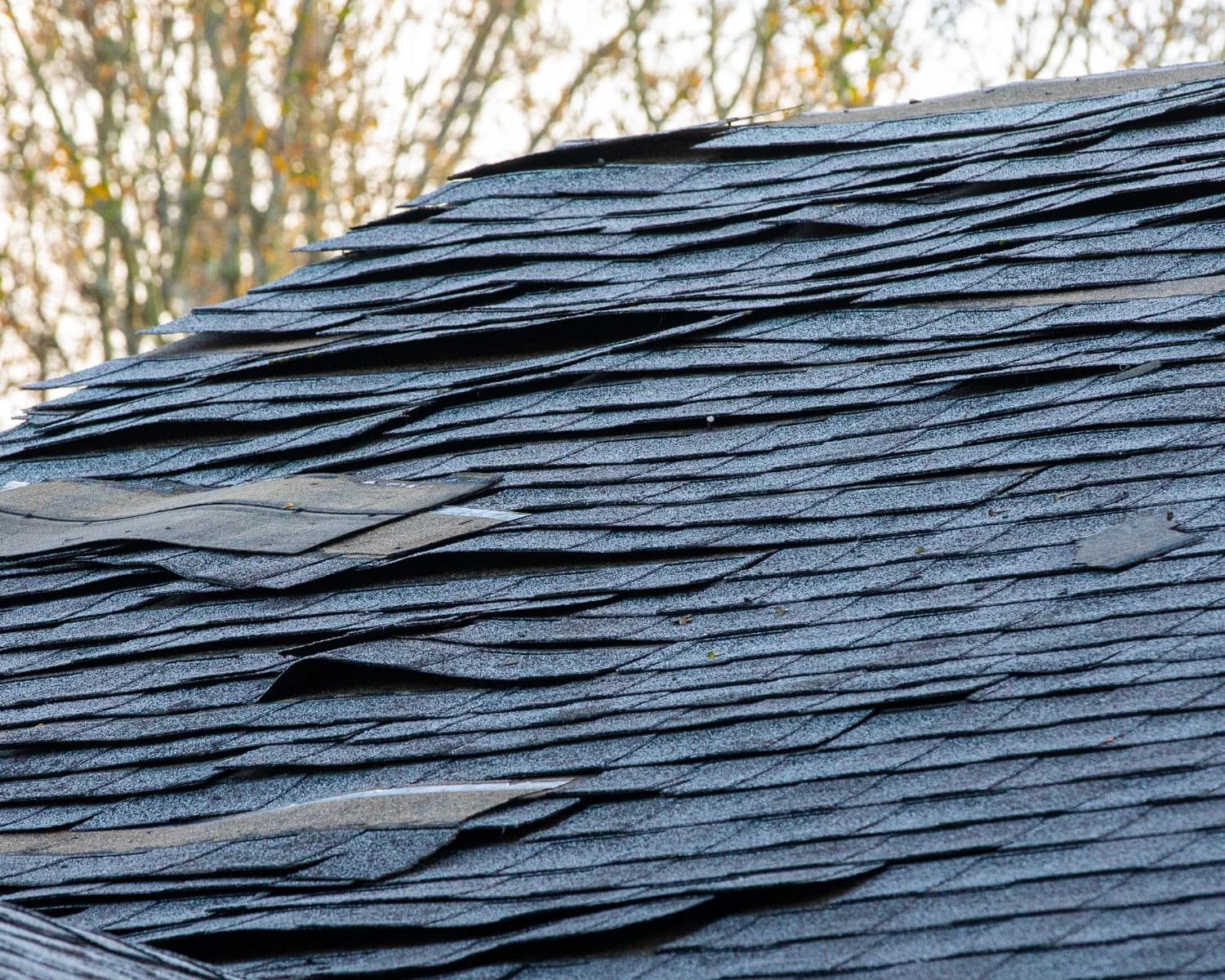
Before a storm threatens, organize existing roof records, unresolved leak locations and the contact who can authorize property repairs. After an event, record observations and photographs only when it is safe. A ceiling stain, missing roofing and water at floor level may involve different repair needs; describe each rather than assuming a single cause.
HTX Elite Build can discuss roof assessments, water damage restoration and related construction for your Houston-area property. Bring the address, affected rooms and any earlier repair records when you request service. Our storm preparation resources provide additional property-planning topics.
Reviewed and updated September 23, 2026. Weather facts are linked to NOAA, National Hurricane Center and National Weather Service sources above.