Water Damage Mitigation
The official definition of mitigate is: “To lessen or compensate for a previous event that had significant impact on a structure or area.”
Water Damage Restoration
The official definition of restoration is: “To perform activities and remedial work to return a site to approximately the same condition as it was before any incident or alteration has taken place. Restoration usually follows remediation, like in the case of flood, sewage, or fire damages.”
- A thorough removal of the offending water takes place. Pumps and extraction units may be used.
- Damaged materials are removed from the area if they cannot be salvaged, to ensure the restoration process continues in an efficient manner. This will be communicated to you.
- Cleaning, sanitization, and deodorization begin. A variety of techniques and equipment may be used at this stage, depending on the severity of damage and scope of the job.
- The drying process commences. While drying equipment is normally placed on the property during the first visit, it will be used at this stage to dry the water you cannot see, extracting it from within materials to bring them back to their normal moisture level.
- Additional restoration requirements, including construction services, will begin at this stage, if needed.
Water Damage Emergency Tips
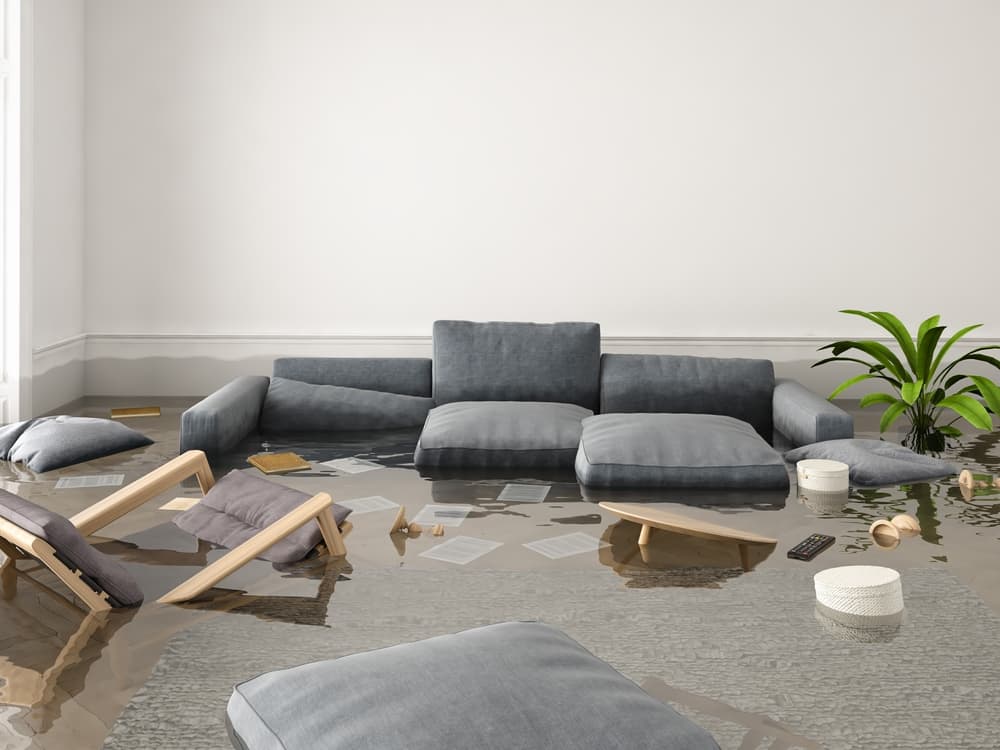
- Collect loose items from floors.
- Turn on air conditioning for maximum drying, especially in the summer.
- Remove colored rugs from wet carpeting.
- Remove artwork, computers, and other sensitive items or documents from the affected area.
- Prop up wet upholstery and cushions.
- Remove excess water via mopping or blotting.
- Remove lamps and other tabletop items, then wipe excess water from wood surfaces.
- Set aluminum foil or wood blocks between moisture-laden carpet and furniture legs.