Residents and business owners in the mountain and western region of the United States are familiar with annual irrigation rules. “ Irrigation S eason , ” or Sprinkler Season , generally starts May 1, and ends October 1 , but specific states may dictate different times . Western states mainly use sprinklers to keep their yards in good condition and prevent dry grass, but sometimes these handy devices can malfunction, causing water damage . Whether your sprinklers are used to keep your lawn healthy or are installed in your ceiling to help put out fires , a sprinkler system can be the source of major headaches if faulty .
So, what should you do if your sprinkler system malfunctions, and you find yourself with water damage? This article has the answers .
A History of Sprinkler Season
Western states have an extensive history with water regulations, and an increase in drought conditions has only exacerbated these guidelines , bringing higher visibility to the subject . For example, according to Colorado State University , the Centennial State ’s history with water regulations can be traced back to the 1860s, when the Colorado Doctrine was introduced . This doctrine contains four main principles regarding water usage, which can be viewed on the university’s website .
Colorado is also a state that employs the “Prior Appropriation System” or “doctrine of prior appropriation .” This set of guidelines helps to address how Colorado handles water supply challenges , which are unique to this part of the Western United States . The Colorado Division of Water Resources says of the Prior Appropriation System , “ This system of water allocation controls who uses how much water, the types of uses allowed, and when those waters can be used.”
Similarly, the Utah Department of Natural Resources outlines which regions of the state should water and when , while Nevada has adopted their own water conservation regulations . In fact, Las Vegas Valley Water District has a resource for residents to find their location's local rules. For more information on western water usage, visit the University of Nevada, Reno’s resource page .
Sprinkler Season Tips
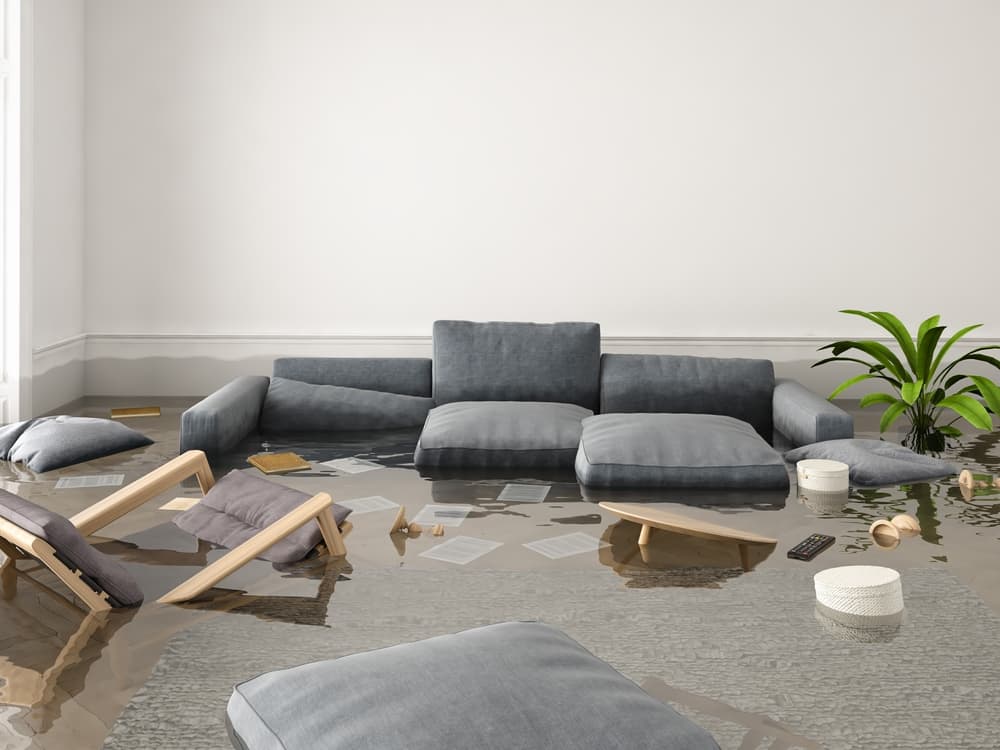
Water usage in the western half of the United States is highly dependent on the weather , as dry conditions necessitate careful consideration of water usage . Furthermore, yard sprinklers can cause damage if they malfunction, flooding the foundation of your ho me or business . If not stopped quickly, sprinkler water can seep into your property and flood your basement or crawlspace; if you ’ve left a window open, it may even reach your living room or other interior areas . While you should always check your local guidelines, Colorado’s 9News recommends the following four- step process for S prinkler S eason that should prove useful no matter where you live. (Keep in mind , Denver Water recommends waiting to turn on your sprinkler until after the last freeze of the year , which typically occurs around May 5 . )
- Locate your irrigation box (usually in the front of your house); open it, turn off the drain valve, and cover it back up
- Locate your back flow preventer to stop sprinkler water from going into your drinking water; find the ports, then use a flat blade screwdriver to turn the ports against the pipe, so they are closed
- Locate the style ball valve (usually located in the basement ) and open it so it is parallel to the pipe
- Locate and turn on your sprinkler system controller
Signs of Faulty Sprinklers
What signs should you look for to determine if your sprinklers are malfunctioning ? Outback Landscape describes five signs to look for:
- Spray patterns are irregular
- Water pressure is unusually high or low
- Water puddles around the sprinkler and on your lawn
- Automatic sprinklers are jammed or won’t come up
- Controller system isn’t working or has issues
Ceiling Sprinkler Damage
- Emergency Contact , where a specialist will ask you a series of questions during initial communication, to determine size and scope of work, and necessary equipment and personnel
- Inspection and Water Damage Assessment , where technicians will survey the property to determine an appropriate plan of action (if necessary, the source of water will be located and stopped at this stage)
- Water Removal , where technicians place pumps and extraction units to thoroughly remove water
- Damaged Material Removal , where non-salvageable items are efficiently removed from the space ( T his will be communicated to you, and take place as early as possible to speed up the drying process)
- Cleaning, Sanitizing, and Deodorization , where personal belongings, furniture, and other affected items are cleaned using specialized equipment and techniques
- Monitoring , where technicians routinely visit the property to assess drying progress and adjust as needed
For more information, visit our FAQ and Glossary .
Sources:
https://www.lvvwd.com/conservation/mandatory-watering-schedule/index.html
https://www.lvvwd.com/conservation/measures/index.html
https://extension.unr.edu/publication.aspx?PubID=3750https://dwr.colorado.gov/services/water-administration/water-rights
https://leg.colorado.gov/sites/default/files/2017state_water_policy_handbook_update_to_print.pdf
https://waterknowledge.colostate.edu/water-management-administration/water-rights/
https://kdvr.com/news/local/the-best-time-to-water-plants-lawns-in-colorado/
https://www.denverwater.org/residential/rebates-and-conservation-tips/summer-watering-rules
https://www.outbacklandscapeinc.com/blog/sprinkler-system-troubleshooting
https://drought.utah.gov/water-restrictions/