Who Developed the Hurricane Categories?
The Saffir-Simpson Scale was developed by engineer Herbert Saffir and meteorologist Robert Simpson in the early 1970s to determine the effects of a hurricane’s sustained wind speed on a particular area. Simpson later added storm-surge levels to the categories. Additionally, low atmospheric pressure is related to hurricane strength.
Importantly, all five categories can produce major damage, including intense flooding, tornadoes , loss of life, and more. Extreme caution and preparation should be taken before a hurricane makes landfall. Review our article about hurricane preparation for important tips and recommendations.
Category 1 Hurricane
According to researchers at the National Weather Service’s National Oceanic and Atmospheric Administration, during a Category 1 hurricane , wind speeds range from 74-95 mph (119-153 km/h) .
A Category 1 hurricane is classified as causing minimal damage, although wind is considerable in strength. Notable effects include:
- Coastal flooding.
- Pier damage.
- Damage to loose, poorly designed, and/or unanchored signs.
- Damage to unanchored mobile homes.
- This guide describes evacuation tips for mobile home residents during a hurricane .
- Power outages, which may last for several days.
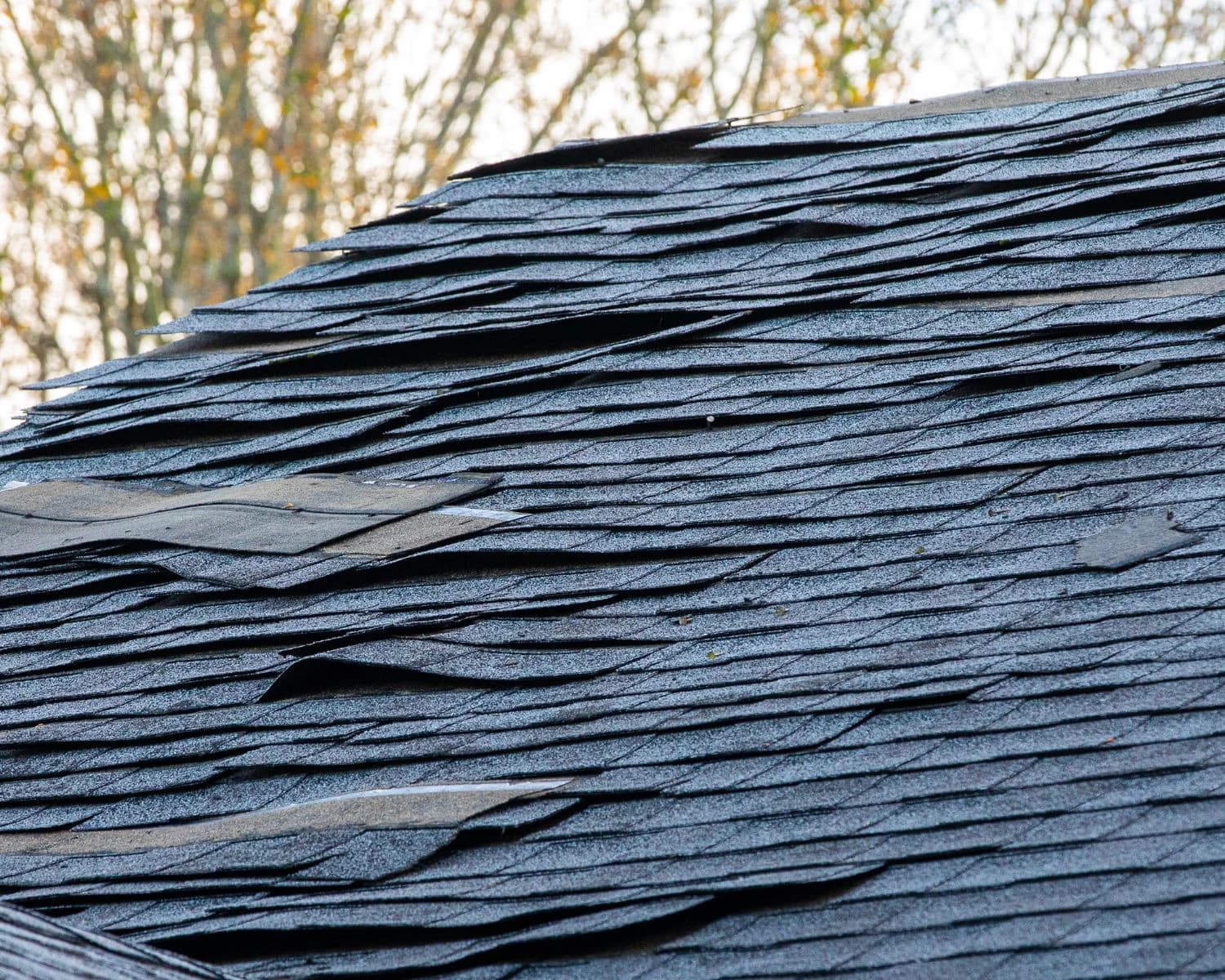
- Well-constructed frame homes suffering damage to siding, shingles, and gutters.
- Snapped branches.
- Uprooted or toppled trees with shallow roots.
Category 2 Hurricane
A Category 2 hurricane is classified as causing moderate damage. During a Category 2 hurricane , wind speeds range from 96-110 mph (154-177 km/h) .
Damage can include:
- Major power loss that could last for days or even weeks.
- Major roof and siding damage.
- Snapped and/or uprooted trees, which may block roads.
- Pier damage.
- Significant damage to mobile homes.
- Damage to roofs, doors, and/or windows.
Category 3 Hurricane
A Category 3 hurricane is classified as causing major damage. During this level of storm, wind speeds range from 111-129 mph (178-208 km/h) .
Damage can be extensive, and include:
- Unavailable electricity and/or water for days or weeks.
- Damaged roof decking and gable ends on well-built framed homes.
- Snapped and/or uprooted trees, which may block roads.
- Destroyed mobile homes and poorly built signs.
- Inland flooding.
- Significant damage to small residences, including utility buildings.
- Destroyed small structures by the coast.
- Large structures damaged by floating debris.
Category 4 Hurricane
A Category 4 hurricane is classified as causing extreme damage. During this level of storm, wind speeds range from 130-156 mph (209-251 km/h) .
Damage can include:
- Power outages, which may last weeks or even months.
- Snapped and uprooted trees.
- An abundance of downed trees, which can isolate communities.
- Downed power lines and poles.
- Significant damage to non-bearing exterior walls and roof structure in well-framed homes.
- Complete roof failure on small structures.
- Significant eroding of beach areas.
- Significant inland flooding.
Category 5 Hurricane
A Category 5 hurricane is classified as causing catastrophic damage. During this level of storm, wind speeds range from 157 mph or higher (252 km/h or higher) .
Damage can include:
- Complete roof failure and wall collapse in well-framed homes.
- Snapped and uprooted trees.
- An abundance of downed trees may isolate communities.
- Power failure for weeks to months.
- Uninhabitable communities (which may last for months).
- Blown over small structures.
- They may be blown away entirely.
- Major inland flooding.
- This may include flooding or serious damage to the first several floors of a building.
For more information, please visit our FAQ and Glossary .
Sources:
https://www.national-hurricane-center.org/hurricane-awareness/hurricane-category-guide
https://www.nhc.noaa.gov/pdf/sshws_table.pdf
https://www.nhc.noaa.gov/aboutsshws.php
https://www.nps.gov/articles/saffir-simpson-hurricane-scale.htm
http://www.nwclimate.org/severe-weather/hurricane-preparation-guide/mobile-home-safety/