What is the Definition of Residential Construction?
The United States Department of Labor defines residential construction as “…those projects involving the construction, alteration, or repair of single-family houses or apartment buildings of no more than four floors in height.”
What are the 3 Types of Residential Construction?
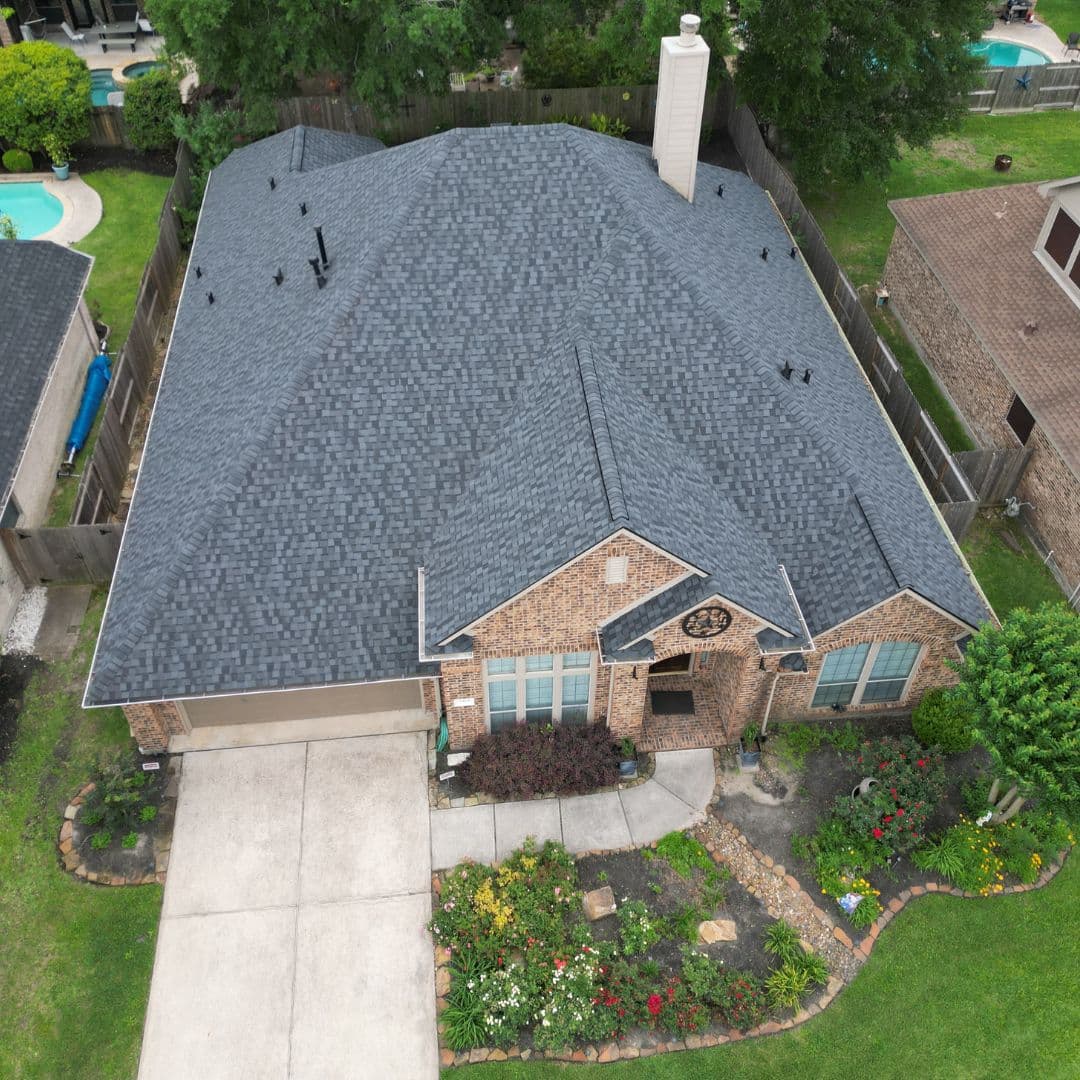
The first type, residential family home construction , is for standalone single buildings generally designed for one family. This type of home can widely vary in architectural style. Location and owner needs/preferences can also significantly affect one residential family home to the next.
The second type, multi-unit residential buildings , includes condos, duplexes, apartment buildings, and townhouses (in other words, places where multiple living units are housed inside one single building or complex). These types of construction projects tend to involve heavy planning and coordination, since privacy and other needs must be considered for many residents on a large scale.
The third type, custom-built homes , is a project where homeowners themselves are heavily involved in the design and construction of their home. This usually means the homeowner has distinct design or architectural elements they want included, using various features and unique layouts to accomplish the goal.
Residential Construction: Frequently Asked Questions
Some common residential construction questions and answers include:
Q: Do I have to be in my home during the whole project?
Q: Do I need a permit?
Q: Do I need to move my belongings out of the house for construction?
Residential construction is an important part of any job’s life cycle. When disaster strikes your home, it is important you reach out to a dedicated restoration company committed to not just cleaning up your property, but restoring and rebuilding it, too.