Understanding Mold
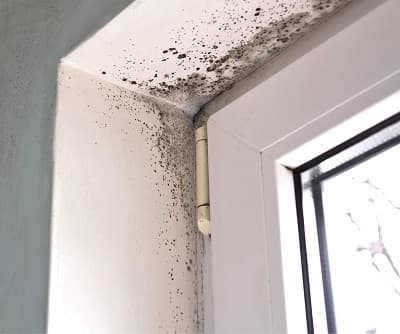
- Mold is present almost everywhere, indoors and outdoors.
- Mold spores are microscopic and float along in the air, and they may enter your home through windows, doors, or AC/heating systems or even hitch a ride indoors on your clothing or a pet.
- Mold spores thrive on moisture. Mold spores can quickly grow into colonies when exposed to water.
- Before mold remediation can begin, any sources of water or moisture must be addressed. Otherwise the mold may return.
- Let your nose lead the way. Mold often produces a strong, musty odor, and can lead you to possible mold problem areas.
- Even higher than normal indoor humidity can support mold growth. Keep indoor humidity below 45 percent.
Understanding the Mold Remediation Process
Every mold damage scenario is different and requires a unique solution, but the general mold remediation process stays the same. The steps listed below illustrate the “typical” process:
Step 1: Emergency Contact
The mold cleanup and restoration process begins when you call us. Our specialist will ask a series of questions to help us determine the necessary equipment, resources, and personnel.
Step 2: Inspection and Mold Damage Assessment
Step 3: Mold Containment
We'll use various containment procedures to prevent the spread of mold. We may use an advanced containment procedure, like a negative air chamber, to isolate the contaminated area with physical barriers and negative air pressure to keep the mold spores from spreading during the cleanup process. All fans and heating and cooling systems may be turned off to prevent the spread of mold.
Step 4: Air Filtration
Specialized filtration equipment allows us to capture microscopic mold spores out of the air. We utilize powerful “air scrubbers” and HEPA vacuums to prevent the spread of these mold spores while the mold remediation is in process.
Step 5: Removing Mold and Mold-Infested Materials
Step 6: Cleaning Contents and Belongings
We also may clean your furniture, decorative items, curtains, clothing, and other restorable items affected by mold. We'll use a variety of cleaning techniques to clean and sanitize your belongings. We're also trained to remove odors and deodorize using fogging equipment and other methods.
Step 7: Restoration
Depending on the level of mold damage, drywall, subfloors, and other building materials may be removed. Restoration may involve minor repairs, such as replacing drywall, painting, and installing new carpet; or it may entail major repairs such as the reconstruction of various areas or rooms in a home or business.