
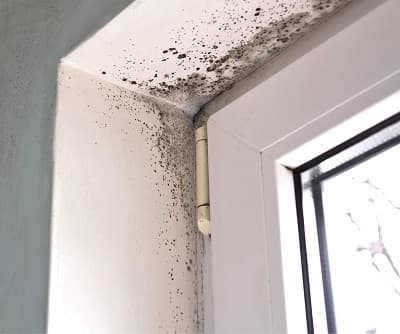
Common Types of Mold Found in Homes
Mold can range from harmless to toxic, so if possible, it’s important to identify the type of mold present in your home. The following are some of the most common types of mold found in homes:
• Aspergillus: This type of mold is commonly found on foods and air conditioning systems. It is typically green, white, or gray, with a powdery texture and dark spots throughout.
• Cladosporium: This type of mold is usually black or green in color, and commonly found on fiberglass air ducts, painted surfaces, and toilet backs.
• Stachybotrys Chartarum (otherwise known as black mold ): This type of mold is typically greenish-black in appearance, and often found on surfaces with high cellulose content, such as paper, gypsum board, and fiberboard.
• Alternaria: This type of mold can be found on such items as food, paper, materials, goods, and clothes. It tends to be dark, or gray-green in color.
• Penicillium: This type of mold is generally found on leather, fabrics, and food, and assists in the production of cheeses, antibiotics, and organic acids. It is typically blue, green, or yellow, with a fuzzy texture.
Mold Growth
Mold growth can be identified by a variety of signs, including musty odors, visible mold growth, and discoloration or staining of walls and ceilings. It’s important to inspect your home or business regularly for signs of mold growth, and to take immediate action if any is found. In fact, time is of the essence when you spot mold, because it can take less than 72 hours for it to grow on a damp surface.
Mold Remediation
• Identifying and addressing the source of the moisture that is causing the mold growth. This step usually involves the use of various technologies to detect mold growth and water sources that may be hidden.
• Air filtration, via air scrubbers and HEPA vacuums.
• Removing the affected materials.
• Cleaning and disinfecting the affected area.
• Repairing any structural damage caused by the mold.
Resources:
https://www.cdc.gov/mold/faqs.htm
https://www.fema.gov/pdf/rebuild/recover/fema_mold_brochure_english.pdf
https://www.epa.gov/mold/what-mold
https://www.hgtv.com/design/remodel/interior-remodel/what-is-mold
https://www.niehs.nih.gov/health/topics/agents/mold/index.cfm
https://www.sciencedirect.com/topics/biochemistry-genetics-and-molecular-biology/alternaria