
In January 2024, a polar vortex (also known as a “bomb cyclone” or “freeze event”) covered a big portion of the continental United States, bringing frigid temperatures, dangerously low wind chill, and snow across the Northeast, Midwest, and South. But what exactly is a polar vortex, and how does it form? More importantly, can you prepare for it?
What is a Polar Vortex?
The National Weather Service defines a polar vortex as “a large area of low pressure and cold air surrounding both of the Earth’s poles.” (The counterclockwise swirl of air is why it is called a “vortex.”)
In other words, a polar vortex means Arctic air comes southward, potentially reaching areas that might not usually get very cold, like the southern United States. Notably, polar vortexes can also occur in Europe and Asia.
How Cold Does a Polar Vortex Get?
Since polar vortexes can be so large, how cold they get largely depends on what part of the country you live in. Pay attention to your local weather and make sure you take precautions when freezing conditions are on the way, because there are steps you can take to prepare for the cold.
What Happens During a Polar Vortex?
The National Oceanic and Atmospheric Administration’s SciJinks website states that a standard polar vortex is a low pressure system of rotating cold air , parked at the north and south poles. During a polar vortex, the air pressure weakens, making the jet stream loosen. The cold air goes southward, bringing cold weather to different regions.
How Long Does a Polar Vortex Last?
While some polar vortexes can last for weeks, there’s no exact answer, as it depends on weather conditions. For preparation tips, check out the list below, and remember to keep an eye on your local weather and use resources like The Weather Channel and the National Weather Service for the latest updates.
How Do You Prepare for a Polar Vortex?
Some important cold weather tips from the National Weather Service include:
Fill up your gas tank.
Build a winter emergency kit for your car, including food, water, flashlights, jumper cables, a radio, a shovel, an ice scraper, blankets, and more.
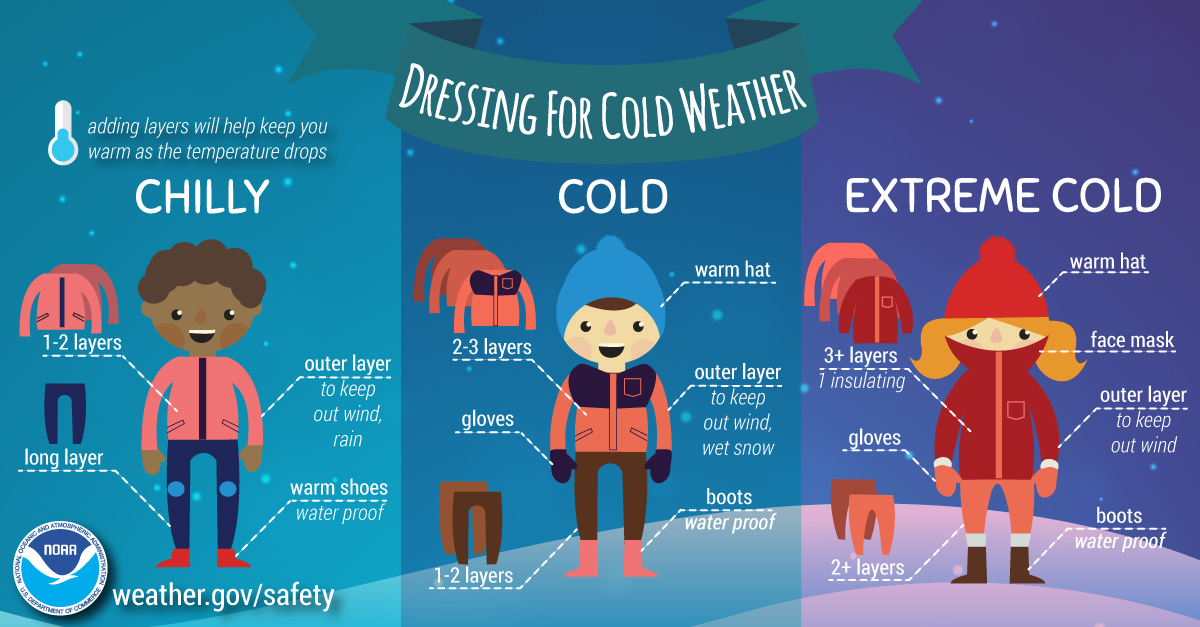
Dress appropriately for frigid conditions if you go outside. For chilly weather , wear 1-2 layers, long pants, and warm shoes. For cold weather , wear 2-3 layers, a warm hat, gloves, 1-2 layers of pants, and waterproof boots. For extremely cold weather , wear 2-3 layers (including an insulating layer), a warm hat, a face mask, gloves, 1-2 layers of pants, and waterproof boots.
Regularly check the weather forecast.
If possible, adjust your schedule so you only go outside if necessary. Avoid going outside in the early morning and late at night (when it is usually coldest).
Check on pets and livestock, making sure they have adequate shelter, food, and water.
If temperatures are supposed to go below freezing, keep your faucets dripping , and open cabinet doors so heat can reach pipes in areas like bathrooms and kitchens.