
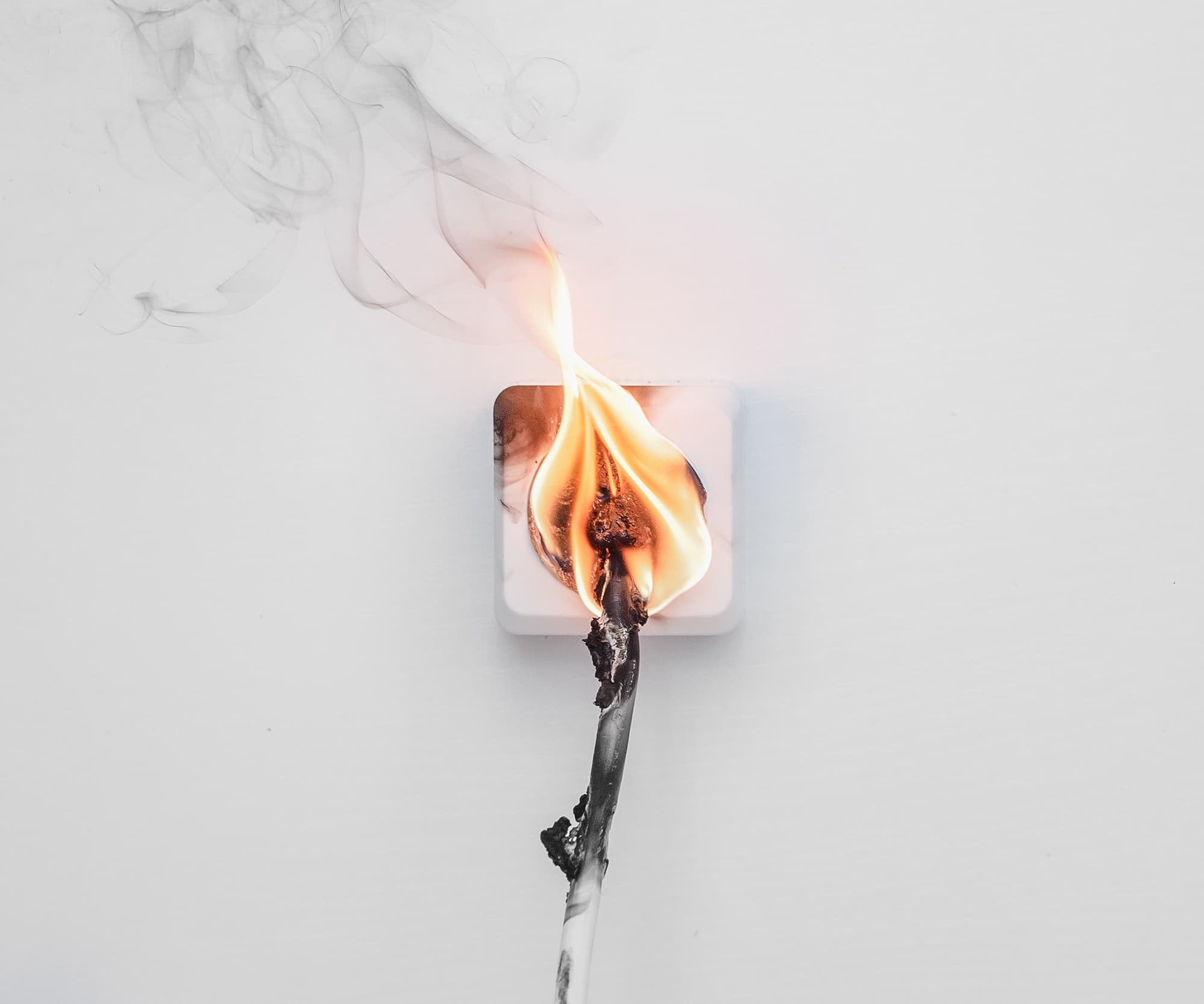
Fire sprinklers are a great way to help ensure blazes are mitigated while you wait for firefighters to arrive. While putting out a fire as quickly as possible is a necessity, firefighting efforts or a sprinkler accident may leave your home or business with significant water damage , like soaked carpets, walls, and more.
Signs You Might Be at Risk for a Fire Sprinkler Accident
Fire sprinkler accidents are unfortunate and can cause serious water damage. But what causes them? Quick Response Fire Supply and Complete Fire and Pumps highlight the following causes of sprinkler accidents and signs to watch out for:
- Manufacturing defects and/or mechanical damage.
- Overheating.
- Significant corrosion, which may cause leaks.
- Improper installation.
- Freezing temperatures, which may cause leaks (refer to NFPA 13D, Standard for the Installation of Sprinkler Systems in One- and Two-Family Dwellings and Manufactured Homes , which includes proper guidelines on sprinkler installation to avoid leaks caused by freezing temperatures).NFPA 13D, Standard for the Installation of Sprinkler Systems in One- and Two-Family Dwellings and Manufactured Homes
- Intentional tampering of sprinklers.
Common Types of Fire Sprinklers
The National Fire Protection Association indicates there are four types of sprinkler systems :
- Preaction system. Arguably the most complicated of the four sprinkler types, this sprinkler has three different versions: non-interlock system, single interlock system, and double interlock system. To release water, each type must be triggered by a different series of events:
- For non-interlock systems, the operation of detection devices or automatic sprinklers releasing must occur.
- For single interlock systems, the operation of detection devices must occur.
- For double interlock systems, the operation of detection devices or automatic sprinklers releasing must occur.
- These sprinklers are typically best for museums or computer rooms, where a delay in sprinkler usage is preferred, as water damage would be especially devastating.
- Deluge system. Similar in operation to preaction sprinkler systems, deluge systems use sprinklers or nozzles. Once water fills the whole system, all sprinklers, or nozzles, release water.
- These sprinklers are usually best for areas protecting highly valuable items; the NFPA gives an example of an airplane hangar.
It is important to select the proper type for your home or business to avoid potentially costly replacement fees down the road. Keep in mind, you can use multiple sprinkler types in the same property.
View additional photos and details of this incredible cleanup here !
Fire Sprinklers: Busting Common Myths
Some notable myths about fire sprinklers include the following, according to the NFPA , the Home Fire Sprinkler Coalition , and Allegiant Fire:
- Myth: If one sprinkler goes off, they all go off.
- Home fire sprinklers operate independently of each other, so only the sprinkler closest to the fire will go off.
- Myth: Sprinklers can leak.
- Sprinkler leaks are exceedingly rare, given they are programmed to go off only if a noticeable heat change is detected. Keep in mind, they will not go off in the event of steam, smoke, cooking vapors, or the sound of smoke alarms.
- Myth: Sprinklers will fully extinguish a fire.
- Typically, a sprinkler will work to suppress the fire and prevent it from spreading, until firefighters arrive. Ultimately, a fire sprinkler’s effectiveness depends on factors such as location and size of the fire.
- Myth: Sprinklers will freeze in the winter.
- Sprinklers should not freeze, if they are installed properly.
- NFPA 13D, Standard for the Installation of Sprinkler Systems in One- and Two-Family Dwellings and Manufactured Homes , includes guidelines on proper installation to help stop pipes from freezing.
- Myth: I only need a smoke alarm.
- While smoke alarms are useful for alerting residents to a fire, they do nothing to put it out. Ensure you have proper fire sprinklers installed in the event of a blaze.
- Inspection and water damage assessment , where technicians will inspect and assess the damaged area upon arrival, and stop the water, if necessary.
- This step also usually includes placement of drying equipment.
- Water removal , where pumps and extraction units are employed to begin the water removal process.
- Damaged material removal , where non-salvageable material will be removed from the premises to ensure the drying process proceeds efficiently.
- This will be communicated to you.
- Cleaning, sanitizing, and deodorization , where specialized techniques, equipment, and products are used to clean additional affected areas, such as ceilings and floors .
- Monitoring , where technicians will routinely visit the property to ensure the drying process is continuing as intended.
For more information, check out our FAQ and Glossary .
Sources:
https://homefiresprinkler.org/fire-sprinkler-myths/
https://www.allegiantfire.net/news/top-3-myths-about-fire-sprinklers/ https://blog.qrfs.com/213-fire-sprinkler-accidents-the-top-5-causes-of-discharges-and-leaks/