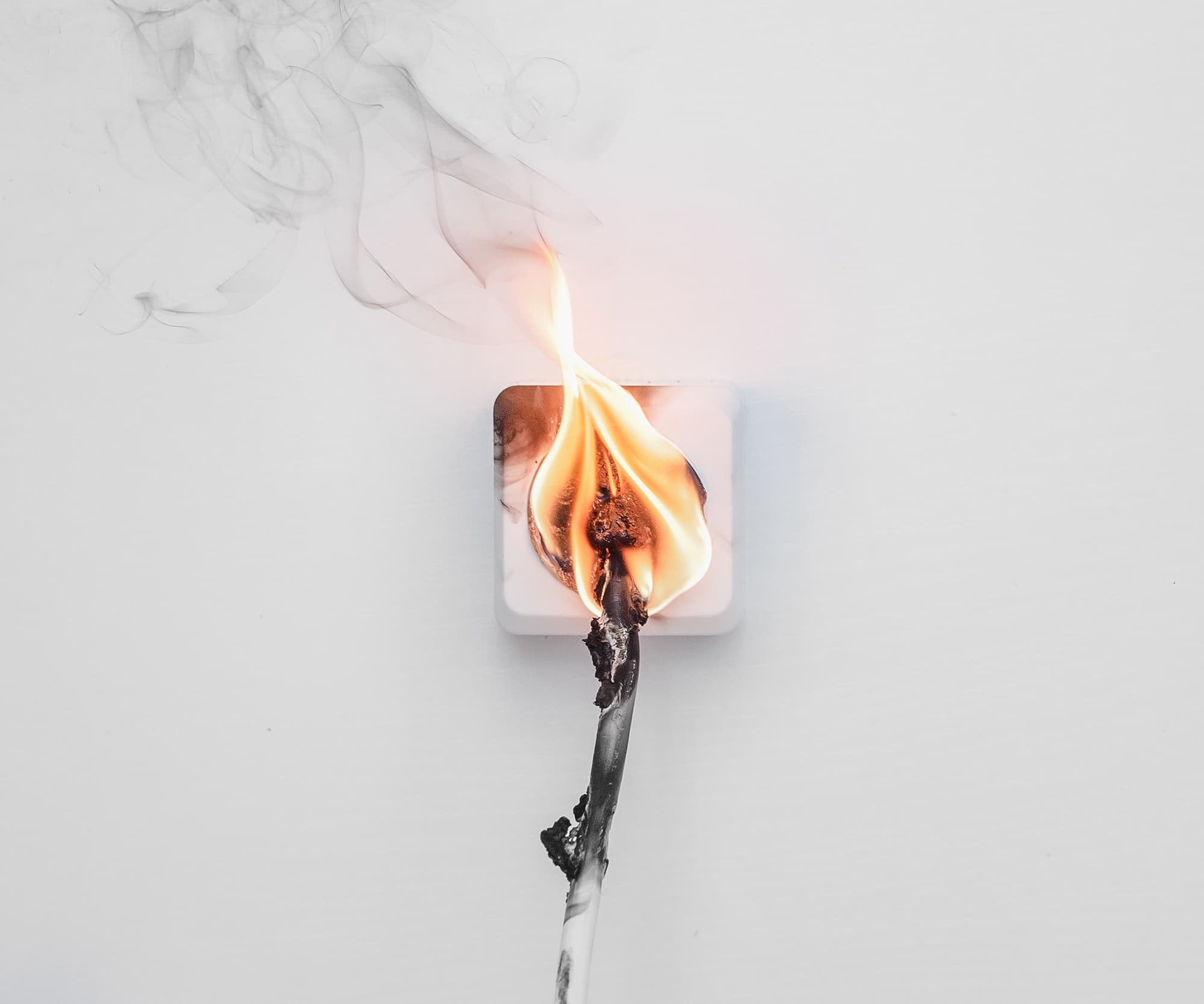
Experiencing a fire in your home or business can be one of the most gut-wrenching moments of your life. Outside of safety concerns for your loved ones, pets, and/or employees, watching your belongings and memorabilia potentially go up in smoke is something you wish you didn’t have to experience.
- Removal of Smoke and Soot from All Surfaces. Ceilings, walls, and floors affected by fire, smoke and soot will be cleaned at this stage. Depending on the level of fire damage, a variety of methods and techniques may be used.
- Cleaning and Sanitizing. Deep cleaning takes place, including deodorization services , utilizing fogging equipment and industrial air scrubbers.
Fire Reconstruction and Restoration FAQs
- Can I stay in my home while cleanup occurs?
- This depends largely on the layout of your home and the extent of fire damage. If safe, you may be able to stay. However, smoke and soot tend to seep throughout much of the property, even if the fire was contained in a single room. Check with your insurance agent to see what off-site or hotel provisions are provided in your policy, as that may be a more comfortable option than staying on the fire-damaged premises.
How to Help Prevent Fire Damage
- Have heating systems and chimneys professionally inspected regularly.
- Stay in the kitchen when cooking, or by the grill when grilling. Do not leave stoves or grills unattended when they are in use. Visit our article on grilling safety for more recommendations.
- When finished cooking, turn off burners and make sure materials are cleared from the area as soon as possible.
- Keep flammable items at least three feet away from fireplaces.
- Turn off and unplug heaters when you leave a room.
- Have smoke detectors installed on every level of the property (and in every bedroom in homes).
Fire Reconstruction: Do’s and Don’ts
Do:
- Change your filters, including your HVAC filter.
- Empty your refrigerator and freezer (particularly if electricity is out).
- Wash plants on both sides of the leaves.
- Cover high-traffic areas with old linen or clean towels.
- Limit movement.
Don’t:
- Clean clothes. Sending soot-covered clothes to a standard dry clear may set the soot further into the fabric.
- Turn on the lights, as the wiring may be damaged.
- Eat soiled food.
- Touch soot-colored items.
- Clean electrical appliances.
- Wash walls and/or carpet.
For more information, please visit our FAQ and Glossary .
Sources: https://www.usfa.fema.gov/downloads/pdf/publications/fa_46.pdf