
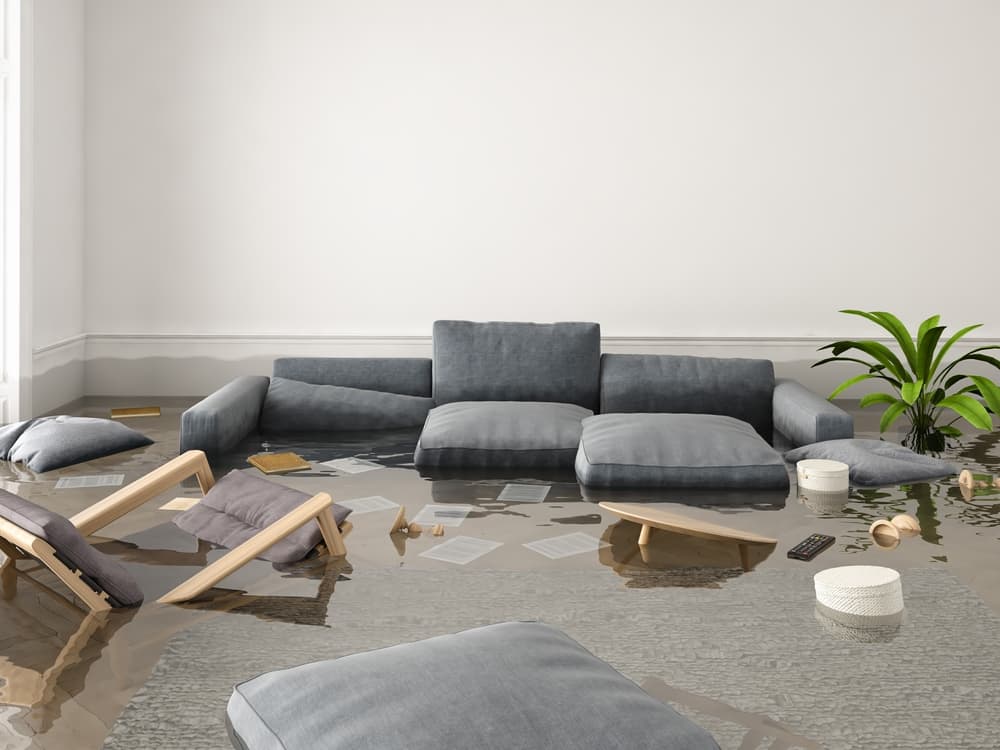
How to Fix a Flooded Basement
Basement flooding can severely damage or ruin your belongings, including precious memories like scrapbooks and yearbooks, and affect your home or business’s foundation. What you do in the first 24 hours after you discover water damage in your basement can be crucial. American Family Insurance suggests you take these steps in the first 24 hours if you find water in your basement :
- Do not step into the water.
- Turn off the electricity. (You might consider contacting an electrician to disconnect your power and make sure there is no risk of electrocution.)
- Remove all items that are wet or waterlogged.
- Start air flow in the area.
- Turn on a dehumidifier .
- Gamma Irradiation (a process of sterilizing documents exposed to sewage and floodwater)
- Vacuum Freeze (the same method used by the Library of Congress, and approved by the National Archives and Records Administration, or NARA, and the General Services Administration, or GSA)
- Digitization Services (helping to convert your physical photos and hardcopies to digital files)
Does a Flooded Basement Cause Mold?
Water damage and excessive moisture can make you susceptible to mold damage. A natural question after your basement floods is: just how long does it take for mold to grow, if it grows at all?
- Emergency Contact.
- Inspection and Mold Damage Assessment.
- Mold Containment.
- Air Filtration.
- Removing Mold and Mold-Infested Materials.
- Cleaning.
- Restoration.
Common Flooded Basement FAQs
In a high-stress situation like finding your basement flooded, it is understandable to have questions. We have compiled some of the most common questions and answers below.
Q: How much will it cost to clean my flooded basement?
Q: How long will it take to dry my flooded basement?
A: There is no set time (as severity of damage, presence of hazardous materials, contents affected, size of basement, and other factors can affect job progression). However, an average drying situation takes approximately 3-5 days.
Q: Is it safe to stay in my home if the basement is flooded?
A: It may not be safe to stay in your home if the basement is flooded, but each situation is different. Ingesting or encountering floodwater may make you sick if it is contaminated. Additionally, standing water can pose an electrocution risk, as electrical outlets and appliances might still be energized.
Q: What are the most common causes of basement flooding?
A: State Farm outlines common causes of flooded basements , including: 1) observable floodwater outside that surrounds your home and/or neighborhood, often after severe weather, 2) outside surface water leaking in, 3) groundwater, which causes hydrostatic pressure, 4) storm sewer water backup, and 5) home or municipal sewer line clogs.
Did you know home piping systems have an average lifespan of 50 to 80 years? If you experience basement flooding but cannot immediately find the source, it might be worthwhile to have your pipes inspected. (PVC pipes, specifically, might need replaced every 25 to 40 years.)